
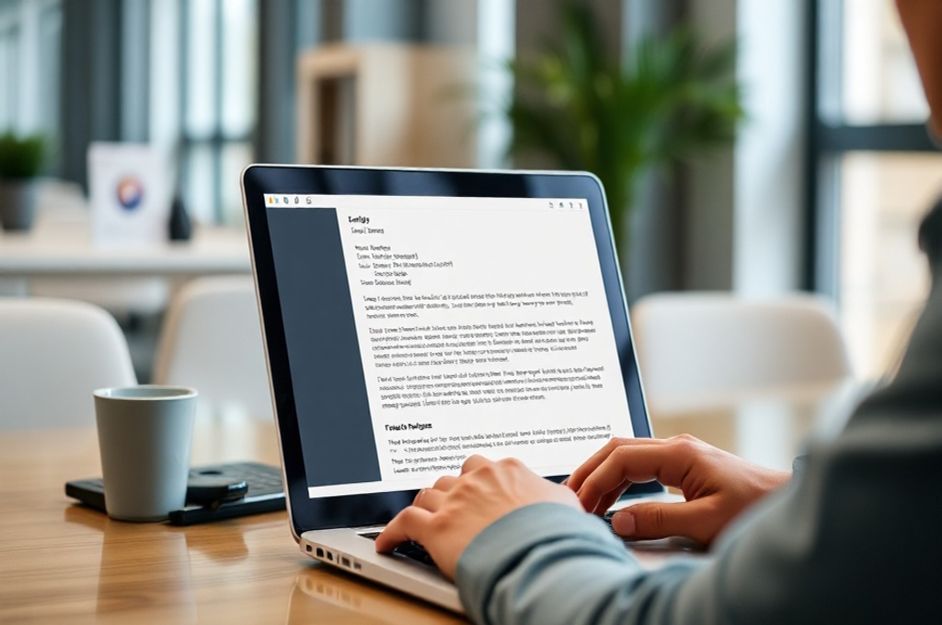
In the realm of professional communication, particularly email, proper punctuation is paramount. Its importance stems from the perception it creates. Will your clients or colleagues trust your work if your emails are riddled with punctuation errors? Correct punctuation demonstrates professionalism, attention to detail, and competence.
Test your punctuation prowess with this quick quiz:
**Quiz**
*Directions:* Indicate whether the punctuation in each phrase is Correct (C) or Incorrect (I).
C I 1. (You’re) our first choice for this job.
C I 2. (Its) a beautiful city.
C I 3. (They’re) is a videoconference tomorrow.
C I 4. Please send the information by (Monday May 5).
C I 5. The teleconference was held in (September 2005).
C I 6. In (June 2006), we launched a new product.
C I 7. Call before (noon, or) you won’t be able to obtain a dinner reservation.
**Solutions**
1. Correct. “You’re” is the contraction of “You are.”
2. Incorrect. “Its” should be “It’s.” “It’s” is the contraction of “It is.”
3. Incorrect. “They’re” means “They are.” The correct word for this sentence is “There.”
4. Incorrect. The correct punctuation is: “Monday, May 5.” A comma separates the day of the week from the month and the day of the month from the year, as in “May 2, 2006.”
5. Correct. No commas are needed when including only the month and year (June 2006) or the month and day (June 1).
6. Correct. Same rule as above.
7. Correct. When the conjunction “or” connects two independent clauses, a comma is required. The implied subject in the first clause is “you,” common in commands.
**Score:**
7 = Perfect! Your punctuation is impeccable. Keep emailing!
5 – 6 = Good. Review a few tips to refine your skills.
3 – 4 = Needs Improvement. Focus on the fundamentals.
Less than 3 = Urgent Attention Required! Punctuation therapy may be necessary.