
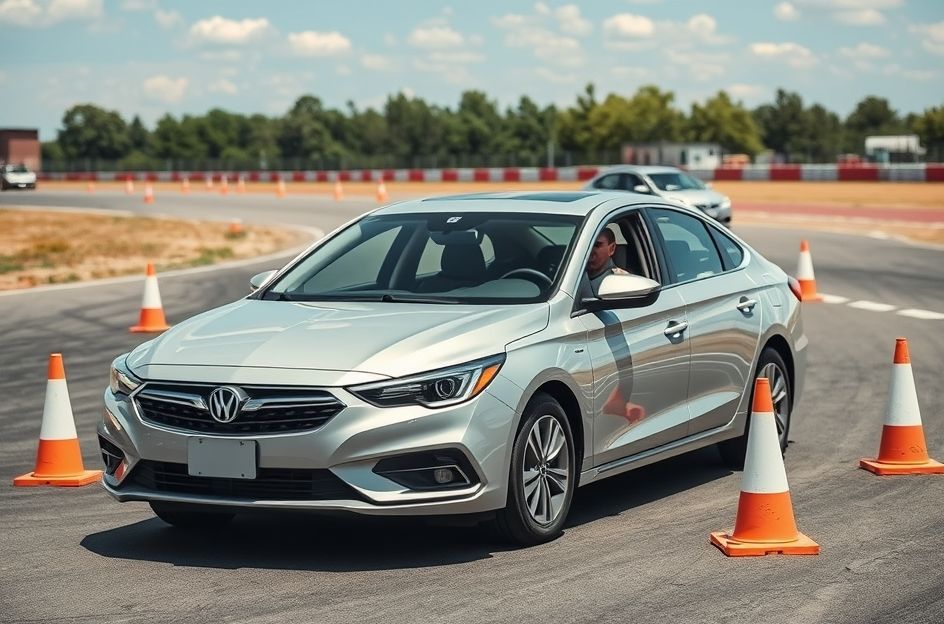
Defensive driving training encompasses a wide array of techniques, ranging from simple precautions like slowing down for school buses to advanced maneuvers for regaining control on slippery surfaces. It’s not just for court-ordered attendees; defensive driving benefits nearly every driver.
Many courses take place at racetracks, providing a controlled environment free from other traffic. These courses emphasize car handling through exercises like navigating cone courses at varying speeds.
Participants also practice emergency braking on slick surfaces and learn to corner safely under similar conditions. Scenarios involving unexpected events, such as a child running into the road, are also addressed, teaching drivers how to react appropriately.
Some courses utilize modified vehicles to simulate loss of control, allowing drivers to experience skidding firsthand. This experiential learning, combined with expert guidance, equips drivers with the knowledge and skills to manage such situations effectively.
Defensive driving prioritizes accident prevention. When avoidance isn’t possible, drivers learn the safest methods for handling the vehicle. Courses also instill good driving habits, such as maintaining adequate following distance for safe emergency stops.
If you’re considering a defensive driving course, consult your local authorities for recommendations on reputable providers.