
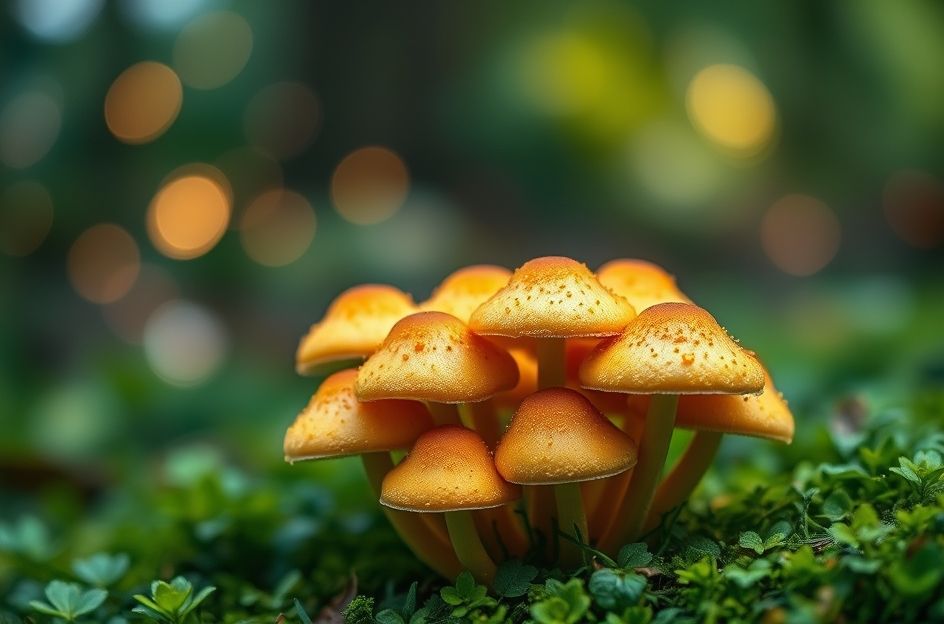
Despite evidence suggesting otherwise, the Netherlands is considering stricter laws regarding magic mushrooms, also known as ‘shrooms’. While the Minister of Health claims these mushrooms are hazardous, numerous studies and expert opinions contradict this assertion. The National Institute For Occupational Safety And Health, a branch of the Center For Disease Control, even rates psilocybin, the active compound in shrooms, as less toxic than aspirin.
The potential benefits of psilocybin are extensive. Research indicates it can interrupt cluster headache sequences, facilitate profound spiritual experiences, enhance enjoyment of mundane activities, stimulate creative and philosophical thinking, elevate mood, and induce feelings of euphoria and wonder. Many users also report experiencing enhanced self-awareness and life-altering insights.
Furthermore, scientists are exploring psilocybin as a potential treatment for depression, anxiety, and even drug dependence, building on studies that demonstrate its capacity to create lasting positive changes in behavior and mood.
Beyond scientific and therapeutic potential, magic mushrooms hold significant cultural importance in many societies. They are considered sacred in various cultures, and prohibiting their use would disregard their spiritual value. Many users describe the mushrooms as catalysts for profound self-discovery and understanding.
Currently, the proposed legislation excludes Growsets and Tampanensis mushrooms. The Dutch government is scheduled to convene within the next few weeks to make a final decision on the matter. If approved, the process of enacting the law could take several weeks to months.
While the future of magic mushrooms in the Netherlands remains uncertain, the potential benefits and cultural significance of these substances warrant careful consideration. Responsible use is always paramount, and individuals should always be mindful of dosage to avoid potential adverse effects.