
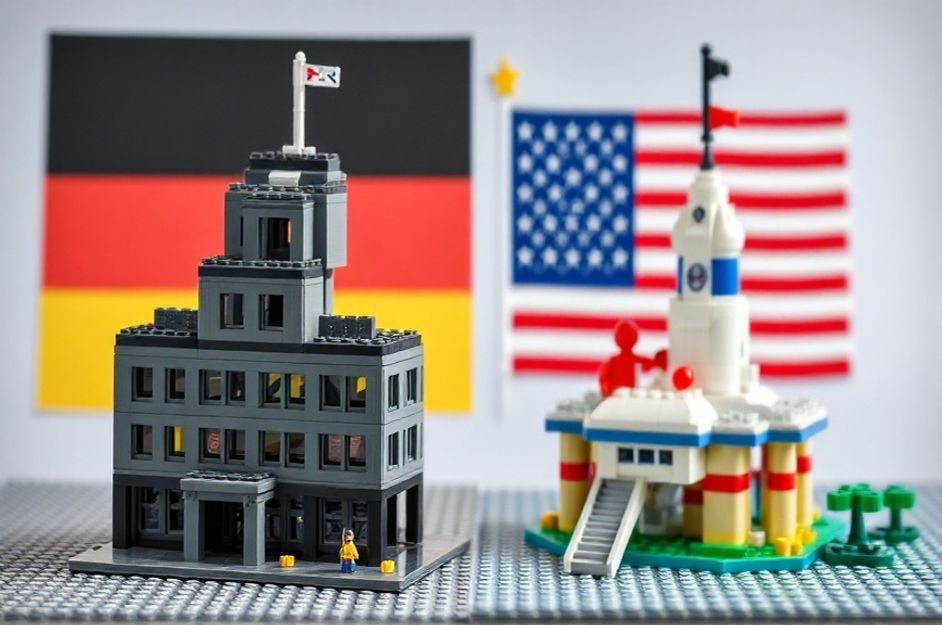
Lego, the iconic Danish toy company, experienced a stark contrast in market reception between Germany and the United States. In Germany, their interlocking blocks were an instant hit, while in the U.S., sales lagged significantly. This discrepancy, as explored in Clotaire Rapaille’s ‘The Culture Code,’ highlights the powerful influence of cultural codes on consumer behavior.
Lego’s management initially attributed their German success to the meticulously crafted, user-friendly instructions included in each set. These instructions transformed the building process into a seamless and almost magical experience, guiding children to construct intricate models like cars and spaceships. However, American children largely disregarded these instructions, preferring to dive straight into unstructured, imaginative play. They were more inclined to create forts or other original structures, often dismantling and rebuilding them repeatedly. This free-form approach, while creatively stimulating, resulted in slower sales as one Lego set could provide years of entertainment.
In Germany, the experience was markedly different. Children diligently followed the instructions, carefully sorting the pieces and meticulously constructing the models as depicted on the box. The completed model was then proudly displayed, often prompting the desire for a new Lego set. This behavior, Rapaille argues, reveals the underlying German cultural code: ORDER. Generations of Germans have cultivated a deep appreciation for structure and precision, a cultural imprint that influences their approach to even a simple toy. The clear, comprehensive instructions resonated with this inherent desire for order, driving repeat purchases and solidifying Lego’s success in the German market.
This example illustrates how understanding and catering to specific cultural codes can be crucial for international business success. Lego’s experience demonstrates that a product’s appeal can vary dramatically depending on the cultural context in which it is introduced.