
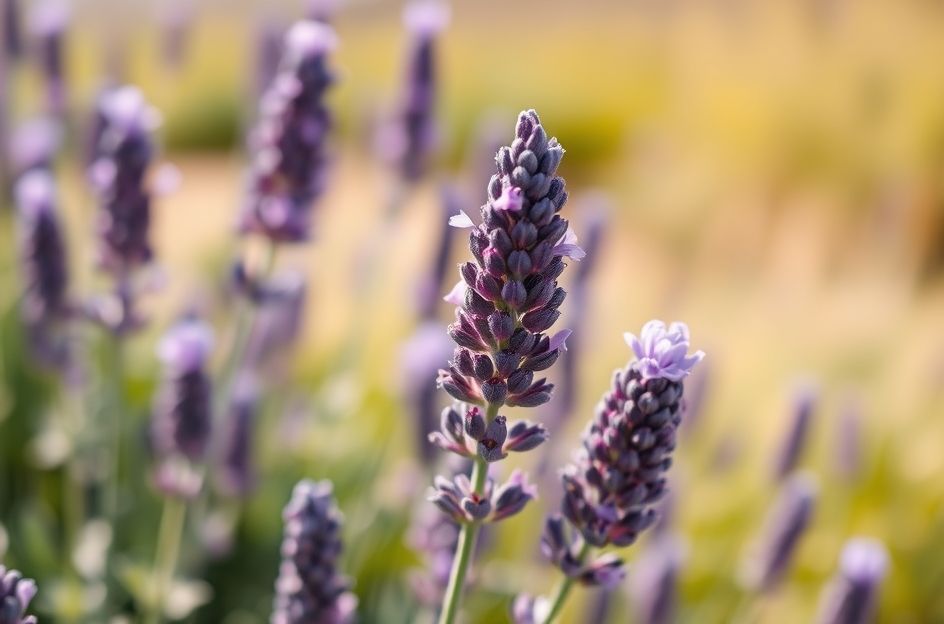
Lavender, often hailed as the “queen of herbs,” has captivated cultures for centuries with its alluring aroma and versatile applications. Its popularity soared in 1999 when it was officially recognized as the “year of lavender,” but its history extends far beyond recent trends.
Ancient civilizations, including the Egyptians, revered lavender for its use in incense, perfumes, and even the mummification process. The Arabs, Greeks, and Romans considered it a sacred offering to their gods, underscoring its esteemed status.
True lavender, thriving in the French and Mediterranean Alps at altitudes of up to 6,000 feet, is prized for yielding a superior essential oil. This oil boasts a diverse range of therapeutic properties, making it a staple in aromatherapy and natural remedies.
Lavender essential oil is used aromatically for its fragrance, and topically for its medicinal properties. These include:
* Carminative properties, providing relief from flatulence
* Antibacterial and antiseptic qualities
* Nervine properties that calm the nerves
* Expectorant effects
* Stimulant action
* Cosmetic applications
* Antispasmodic effects
It is used to prevent childhood infections and soothe temper tantrums. Lavender treats burns, eczema, grazes, cuts, inflammation, dermatitis, headaches, migraines, fainting, nausea, insomnia, bacterial infections, boils, acne, arthritis, and rheumatism. As a germicidal agent, lavender oil is non-toxic.
The calming effects of lavender are well-documented. Inhaling its scent induces a sedative effect in both humans and animals, akin to the soothing properties of geranium and peppermint. This calming effect contributes to its effectiveness in addressing various conditions, including depression, sleep disorders, and premenstrual syndrome.
Lavender’s applications extend beyond aromatherapy and medicinal uses. It is a popular ingredient in beauty and bath products, available individually or as part of gift baskets. These products, designed for external use, promote relaxation and a sense of peace. They include soaps, bath bombs, bath crystals, oils, sachets, lotions, sleep pillows, herbal sea salts, body sprays, hair products, and skin care items.
Throughout history, lavender has graced the homes of notable figures. Queen Victoria insisted on using lavender-infused cleaners to freshen her furniture and floors. Queen Elizabeth I favored lavender tea to alleviate migraines and other ailments. During World War I, nurses employed lavender-based antiseptic washes to treat injured soldiers’ wounds.
Lavender is a surprisingly versatile culinary herb, also used in cooking. A member of the mint family, lavender flowers enhance the flavor and appearance of dishes. Both the flowers and leaves can be used fresh, while the buds and stems can be dried for later use. When cooking with lavender, it is best combined with herbs like fennel, oregano, and savory, or with its mint cousins, rosemary, sage, and thyme. Due to its potent aroma, it should be used sparingly to avoid overpowering the dish and imparting a bitter, perfume-like taste.