
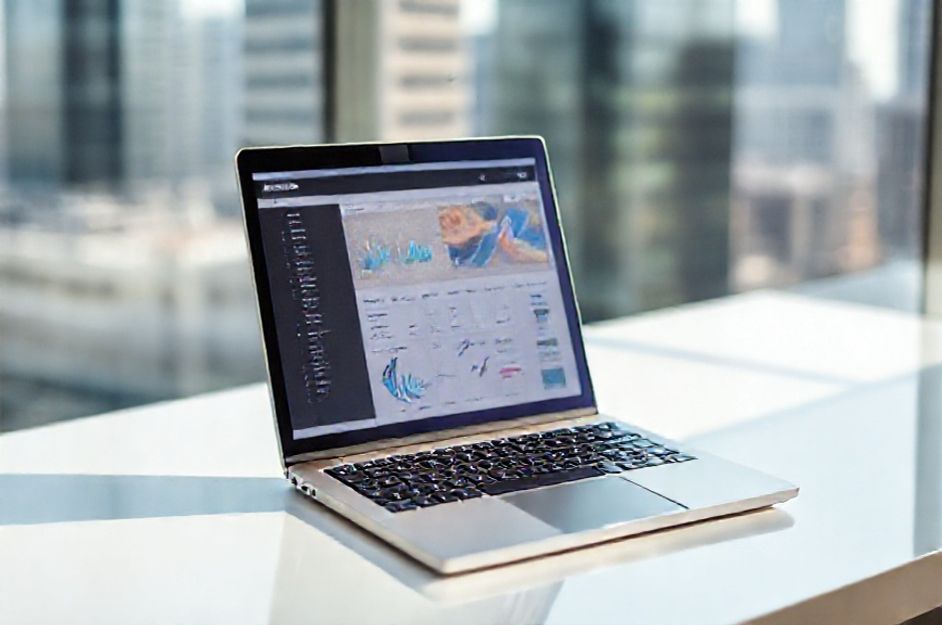
The laptop computer has become a ubiquitous tool in the 21st century, transforming how we work, learn, and connect. A laptop, also known as a notebook, is a portable computer typically weighing between 8 and 16 pounds. These devices are powered by a rechargeable battery and can also be connected to an AC/DC adapter for continuous use.
Laptops are designed with compact components optimized for mobility and energy efficiency. While capable of performing the same tasks as a desktop computer, laptops were historically more expensive. However, increased competition among manufacturers has driven prices down significantly, making them accessible to a wider range of consumers.
Many laptops include a battery backup, allowing users to continue working during power outages, ensuring critical tasks can be completed. Laptops commonly utilize liquid crystal displays (LCDs) for their screens and employ various memory modules for random access memory (RAM). They feature integrated keyboards, and many models also include touchpads for cursor control. External mice or pointing sticks can also be connected for enhanced usability.
The proliferation of affordable laptops has democratized access to mobile computing. Previously, laptops were primarily the domain of business executives and professionals. Today, individuals from all walks of life can purchase them at competitive prices. The ever-increasing competition in the mobile computing market has led manufacturers to continuously release updated and cost-effective models.
Retailers frequently offer attractive deals on laptops, making them accessible to students, young adults, and families. As technology continues to evolve, the prices of laptops are expected to decrease even further, solidifying their position as essential tools for modern life.