
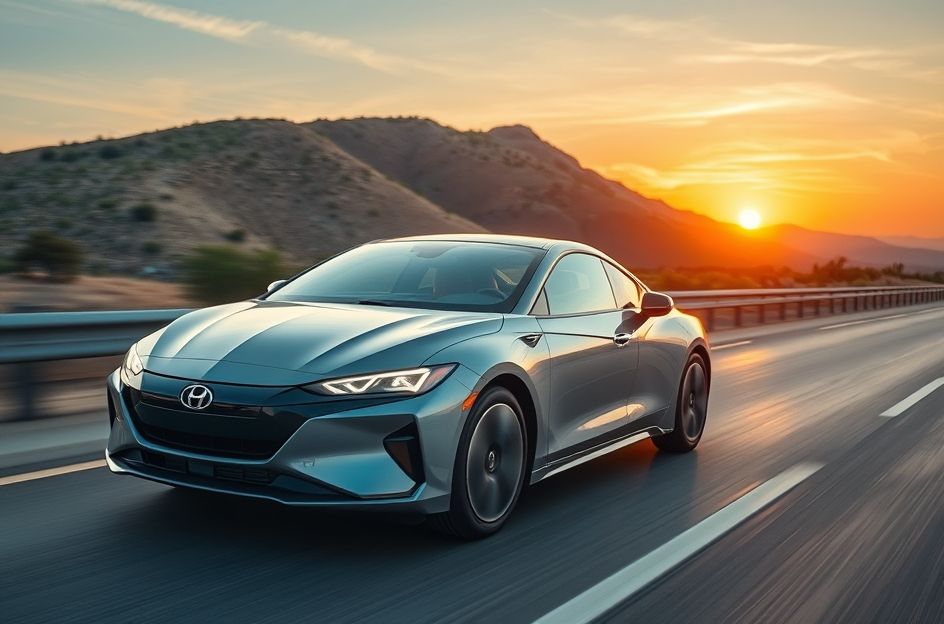
While hybrid vehicles have surged in popularity due to rising fuel costs, a closer look reveals they may not be the most financially sound decision for everyone. Although hybrids offer environmental benefits by consuming less fuel than traditional cars, the savings don’t always translate to real-world financial gains.
Many consumers are drawn to hybrids by the promise of fuel efficiency, assuming that reduced gas consumption automatically equates to savings. While it’s true that a hybrid can extend the time between fill-ups, the overall financial picture is more complex. Let’s consider a comparison using Toyota models, renowned for both their hybrid and conventional vehicles. The Toyota Prius, a popular hybrid, has a base price of around $21,725. For comparison, we’ll use the Toyota Corolla, with a base price ranging from $14,000 to $18,000. This represents an initial price difference of $3,000 to $7,000.
To illustrate potential fuel savings, let’s assume an annual mileage of 20,000 miles and an average gas price of $3.00 per gallon. This mileage is typical for hybrid owners with longer commutes. The Prius achieves approximately 60 mpg on the highway, while the Corolla averages 38 mpg.
Calculations show the Prius consumes 333 gallons of gas per year (20,000 miles / 60 mpg = 333 gallons), resulting in annual fuel expenses of $999 (333 gallons x $3/gallon). The Corolla, on the other hand, consumes 526 gallons (20,000 miles / 38 mpg = 526 gallons), costing $1578 annually (526 gallons x $3/gallon).
This translates to a fuel savings of $579 per year with the Prius. To recoup the initial price difference of $3,000, it would take approximately 5.2 years of ownership. However, if the Corolla was purchased for $14,000 (a $7,000 initial saving), it would take over 12 years to break even.
Furthermore, the Prius may have higher maintenance and repair costs due to its more complex technology.
Another comparison can be made using the Toyota Camry. Comparing a 6-cylinder Camry to the hybrid version might favor the hybrid due to comparable purchase prices and fuel savings. However, those prioritizing fuel efficiency typically opt for the 4-cylinder Camry. A hybrid Camry costs around $25,000 and achieves 40 mpg, while the 4-cylinder Camry costs approximately $18,000 and gets 34 mpg. This results in an initial savings of about $7,000 by choosing the conventional model.
The hybrid Camry consumes 500 gallons annually (20,000 miles / 40 mpg = 500 gallons) at a cost of $1,500 (500 gallons x $3/gallon). The 4-cylinder Camry consumes 588 gallons (20,000 miles / 34 mpg = 588 gallons), costing $1,764 annually (588 gallons x $3/gallon).
To recover the $7,000 premium of the hybrid Camry, it would take approximately 27 years.
In conclusion, If you’re considering trading in a large truck, a hybrid might be a sensible choice. However, when comparing similar car models, a conventional vehicle may be the more financially prudent option. Of course, if environmental concerns outweigh financial considerations, a hybrid remains a strong contender. From a broader perspective, widespread hybrid adoption could potentially influence gas prices by reducing global demand for oil, impacting oil-producing nations. This aligns with the principle of supply and demand. Currently, high oil demand empowers producing countries to dictate prices. A significant reduction in demand could shift the balance of power, although producers might adjust by limiting production to maintain profitability.