
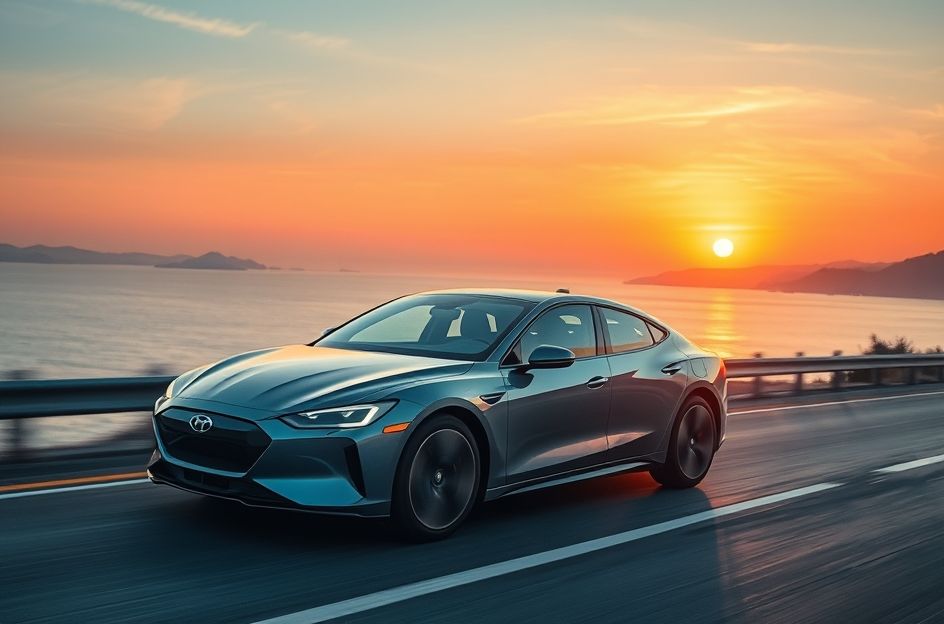
Hybrid cars represent a significant step towards sustainable transportation, blending the benefits of gasoline and electric power. Unlike purely electric vehicles, which suffer from range limitations and long charging times, or traditional gasoline vehicles, which contribute significantly to emissions, hybrids offer a balanced approach.
These vehicles combine a smaller, more efficient gasoline engine with an electric motor and battery system. This configuration allows for reduced fuel consumption and lower emissions compared to conventional cars. The electric motor assists the gasoline engine, particularly during acceleration, improving fuel efficiency. In some models, the car can even run solely on electric power for short distances, further minimizing emissions.
While the concept of hybrid vehicles isn’t entirely new, with early examples including hybrid bikes and buses, modern hybrid cars have gained traction due to rising fuel costs and increasing environmental awareness. Automakers worldwide are investing heavily in hybrid technology, developing diverse models to meet consumer demand.
The key advantage of hybrid cars lies in their ability to bridge the gap between gasoline and electric vehicles. They offer the range and convenience of gasoline cars while reducing environmental impact. As technology advances, hybrid cars are poised to play a crucial role in shaping the future of transportation.