
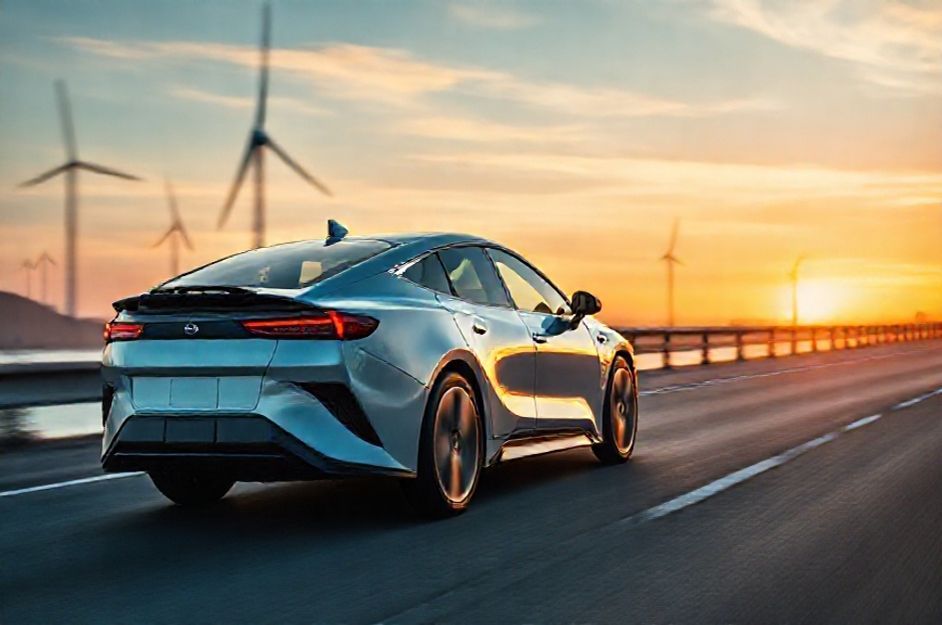
The term “hybrid” refers to a blend, and in the automotive world, it signifies a vehicle powered by a combination of an electric motor and a gasoline engine. Unlike older electric cars that required external charging, hybrids possess a self-recharging capability, eliminating the need for plugging into an outlet.
Typically, hybrid cars utilize smaller gasoline engines compared to conventional vehicles. The electric motor supplements the gasoline engine, providing additional power when needed. Hybrids can operate on either the gasoline engine or the electric motor alone, but drivers often utilize both to maximize fuel efficiency.
Under the Hood: How Hybrids Work
In most hybrids, the gasoline engine serves as the primary power source. However, the electric motor activates to provide extra power during acceleration or when climbing hills. To conserve energy, the gasoline engine automatically shuts off when the vehicle comes to a stop. When the driver presses the accelerator pedal, the engine seamlessly restarts. Meanwhile, the battery continues to power essential accessories such as lights and the radio.
The automatic start/stop function of the gasoline engine operates almost silently. An indicator light on the dashboard alerts the driver and others to the engine’s status, preventing confusion.
Benefits of Hybrid Cars
A significant advantage of hybrids is their exceptional fuel economy, often achieving up to 60 miles per gallon. With rising gasoline prices, this fuel efficiency makes hybrids an appealing choice for budget-conscious drivers.
Beyond fuel savings, hybrids produce fewer emissions, contributing to cleaner air. Their efficient engines and reduced exhaust emissions make them environmentally friendly. Some corporations even offer incentives like preferential parking for hybrid vehicle owners.
Furthermore, governments often provide tax incentives to encourage consumers to purchase hybrid cars.
Hybrid Car Construction
Hybrids differ from conventional cars in their construction. They incorporate lightweight materials such as aluminum and plastic, enabling them to be powered by smaller, lighter engines. Despite their lighter build, hybrids maintain safety standards through specialized panel shapes that reinforce structural integrity and impact resistance.
Hybrid Car Manufacturers
Leading manufacturers like Honda and Toyota introduced hybrid vehicles to the United States in 2000 with models like the Honda Insight and the Toyota Prius. These models achieved considerable success, paving the way for the development of hybrid SUVs and trucks.
As environmental concerns and fuel costs continue to rise, hybrid vehicles offer a practical and efficient transportation solution. Their blend of fuel economy, reduced emissions, and innovative technology makes them a popular choice for environmentally conscious drivers.