
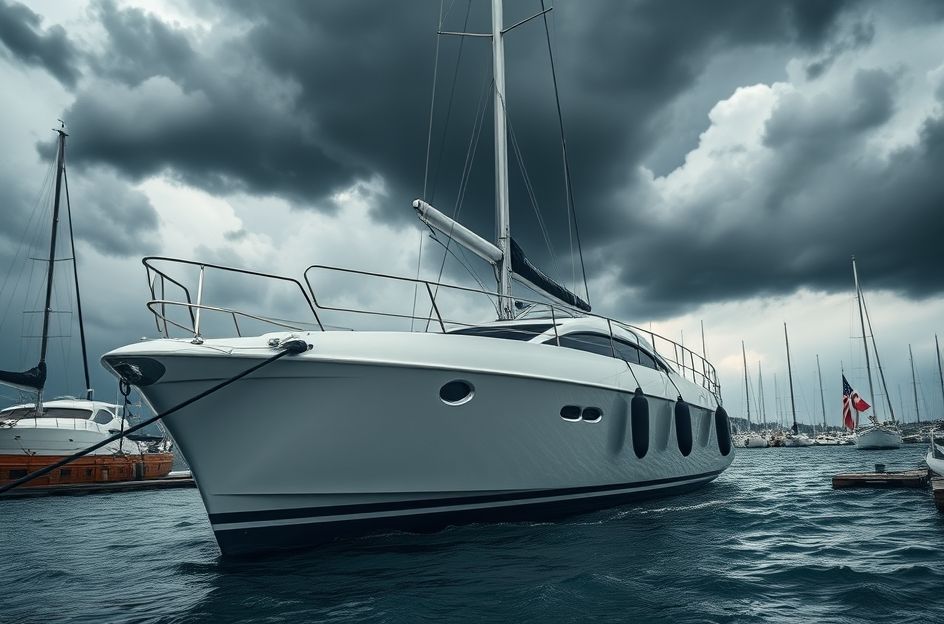
Hurricanes pose a significant threat to boats, and proper preparation is crucial for minimizing damage and ensuring safety. Marina regulations regarding hurricane preparedness vary, and some states have enacted laws mandating specific actions from boat owners. It’s essential to understand these requirements and develop a comprehensive plan.
Experts emphasize two fundamental principles. First, proactive planning is paramount. Review your marina contract to understand their stipulations, check for state regulations, and consult your boat insurance policy for any relevant coverage requirements. Conducting a preparedness drill during the off-season will help you gauge the time needed to move or secure your boat effectively.
Second, never attempt to ride out a hurricane on your boat. The notion that open water offers greater safety is a dangerous myth. Hurricane-force winds and storm surges can carry vessels inland or cause them to sink. Protecting your life should always be the top priority.
Whenever feasible, moving your boat to a safer location is the best course of action. This necessitates pre-arranging inland storage. Be aware that drawbridges may be locked down before a hurricane to facilitate evacuations, making early relocation even more critical. Heeding a hurricane watch is crucial for moving your boat in a timely manner.
Some regions have established flotilla plans to expedite boat relocation. Your local emergency management office can provide flotilla details. If participating in a flotilla, ensure your boat is well-maintained and adequately fueled.
If moving your boat isn’t possible, take steps to minimize potential damage. Remove all portable items, including electronics, antennas, dinghies, sunshades, and oars, that could become projectiles. Secure any remaining items. Acquire ropes and other securing supplies well in advance, as these may be scarce before a storm.