
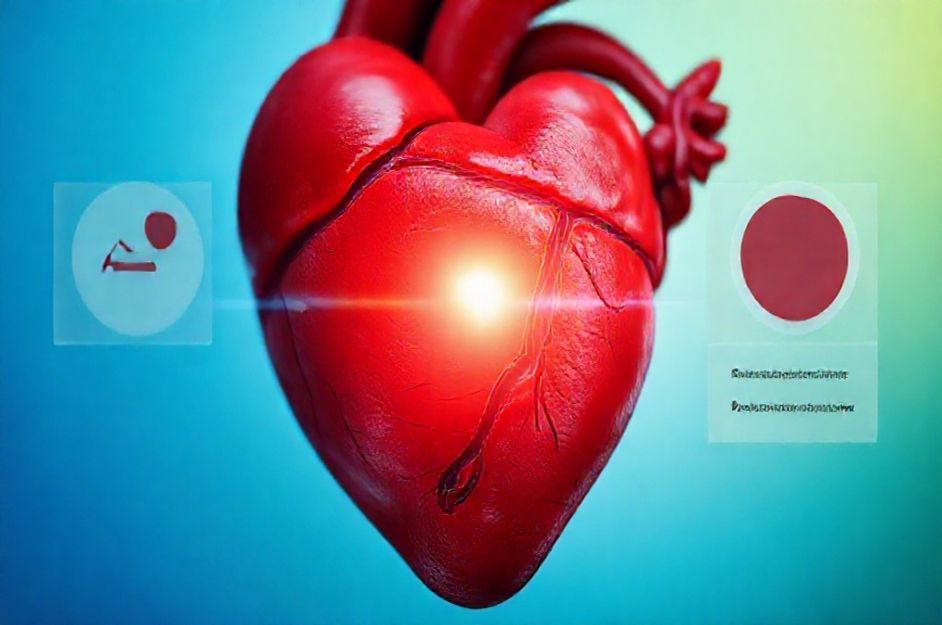
High blood pressure, also known as hypertension, is a significant public health concern affecting a substantial portion of the adult population. Understanding the different types, causes, and management strategies is crucial for maintaining cardiovascular health.
There are two primary classifications of high blood pressure: primary hypertension and secondary hypertension. Primary hypertension accounts for the vast majority (95%) of cases and is influenced by a combination of factors. Secondary hypertension, comprising the remaining 5%, arises from underlying issues within the body’s organs or systems.
Primary hypertension, also termed essential hypertension, is multifactorial in origin. Genetic predisposition plays a role in approximately 30% of cases. For example, high blood pressure disproportionately affects certain ethnic groups. Furthermore, individuals with a parental history of hypertension are at an increased risk.
A common characteristic observed in individuals with primary hypertension is increased stiffness or resistance in the peripheral arteries, which are responsible for delivering oxygen and nutrients to the body’s tissues and organs. This rigidity can be attributed to genetic factors, sedentary lifestyles, high sodium intake, and the natural aging process. The precise mechanisms behind this arterial hardening remain under investigation.
Managing high blood pressure necessitates a thorough evaluation of lifestyle factors and the implementation of appropriate modifications. Key lifestyle considerations include:
Obesity: A strong correlation exists between obesity and hypertension, with the prevalence of both conditions increasing with age. Obesity contributes to high blood pressure because the heart must exert more effort to circulate blood throughout the body. Moreover, obese individuals with hypertension often exhibit increased rigidity in their peripheral arteries and a tendency for the kidneys to retain sodium. Weight loss can be an effective strategy for lowering blood pressure.
Exercise: Regular physical activity can lead to a sustained reduction in blood pressure. Studies have demonstrated a dose-response relationship, meaning that increased exercise generally results in greater blood pressure reduction. Aerobic exercise appears to be more effective than anaerobic exercise, such as strength training, in lowering blood pressure.
Smoking: While not directly linked to the development of high blood pressure, smoking significantly elevates the risk of associated complications, including heart disease and stroke. Paradoxically, some smokers may exhibit lower blood pressure compared to non-smokers due to the appetite-suppressing effects of nicotine, which can lead to weight loss.
Alcohol: Excessive alcohol consumption (more than two drinks per day) can substantially increase the likelihood of developing high blood pressure.