
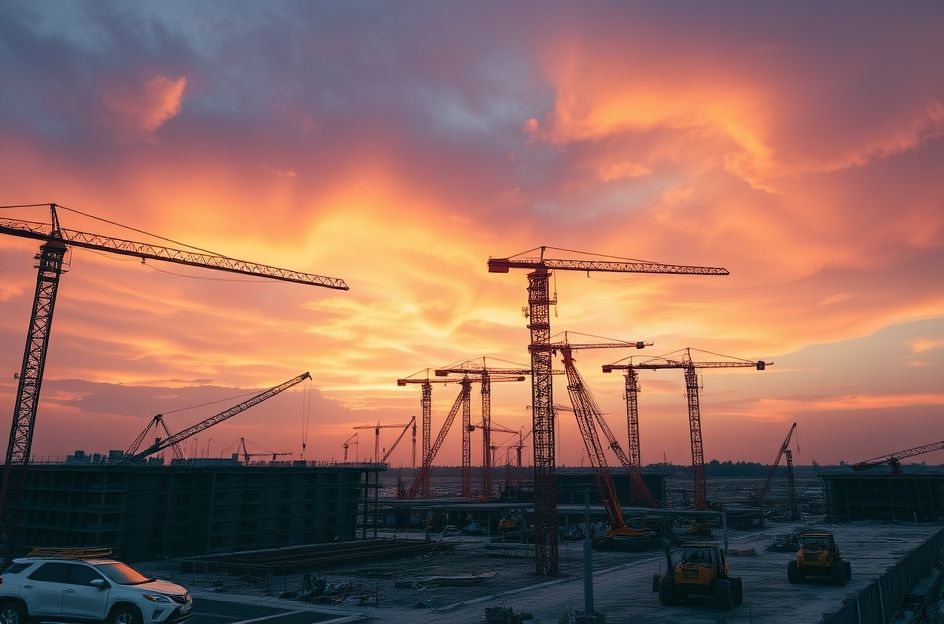
Global demand for heavy construction equipment has surged in recent years, fueled by economic recovery in Asia, Latin America, Russia, and Africa. While the industry isn’t as concentrated as it once was, strategic acquisitions and partnerships between companies are increasingly common.
Technical advancements in design and safety are driving marketing efforts, while price increases remain moderate across new, used, rented, and leased equipment. The industry is experiencing annual global demand growth of approximately six percent, contributing to new construction and infrastructure restoration projects worldwide.
Key categories of heavy construction equipment include mixers, cranes, loaders, trucks, tractors, graders, and rollers, along with various attachments and parts. This equipment is essential for diverse projects, from major infrastructure to office buildings, housing, factories, power plants, and mining operations. Population growth and economic expansion are major drivers of global demand.
Projects requiring heavy construction equipment often involve significant capital investment. Private investors are more likely to invest when interest rates are low and returns are promising. Public works programs are frequently initiated during recessions to stimulate economic activity. Sustainable economic growth is crucial for developing countries, as shorter economic cycles can impact their ability to attract capital.
The manufacturing of heavy construction equipment and its components is consolidating in fewer locations to serve the global market. Equipment can move freely between mature markets, while some emerging countries require exports to qualify for import liberalization.
Demand varies by region. Developed regions prioritize upgrades and maintenance of existing infrastructure, while developing regions focus on new projects like highways, airports, and urban buildings. The growing global demand for heavy construction equipment presents limitless building opportunities.