
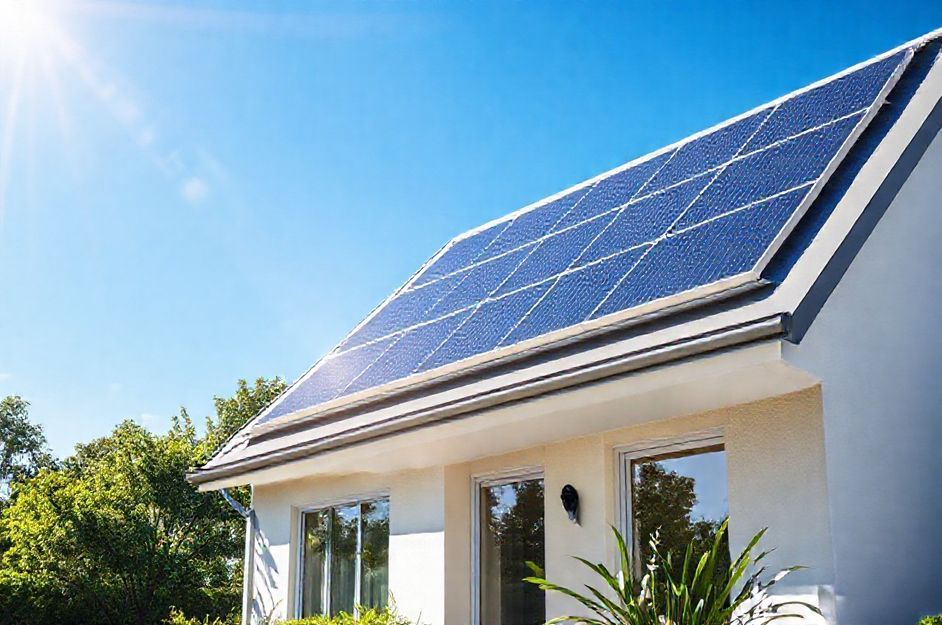
Solar energy represents a sustainable path forward for power generation. The fundamental process involves photovoltaic cells, which directly convert sunlight into electricity. These cells, typically made from semiconductor materials, operate without liquids, chemicals, or moving parts, ensuring a clean and reliable energy source.
A solar panel comprises multiple interconnected cells, working together to maximize energy capture. The energy generated is initially in the form of direct current (DC). To power most household appliances and electronics, which use alternating current (AC), an inverter is used to convert the DC electricity.
While powering an entire home solely with solar energy might require extensive panel arrays, it’s entirely feasible to power specific rooms or appliances. Determining your energy needs involves calculating the wattage of each device and the expected daily usage. This calculation provides a benchmark for the minimum power your solar system should generate.
Various solar energy systems cater to different needs and budgets. A basic system suitable for powering a computer and a few small devices can be acquired for around $1000. Larger, more powerful systems will naturally cost more. Generally, installed solar systems cost approximately $10 to $12 per watt, depending on the region and complexity of the installation.
Solar energy is a truly renewable resource. The sun provides enough energy to meet global demands, making it an appealing alternative to fossil fuels. Continued advancements in photovoltaic technology are making solar energy increasingly accessible and efficient for consumers. Major energy companies are heavily investing in solar energy research and development. This commitment reflects the growing recognition that solar power is not just a future solution but a present-day necessity for a sustainable energy future.