
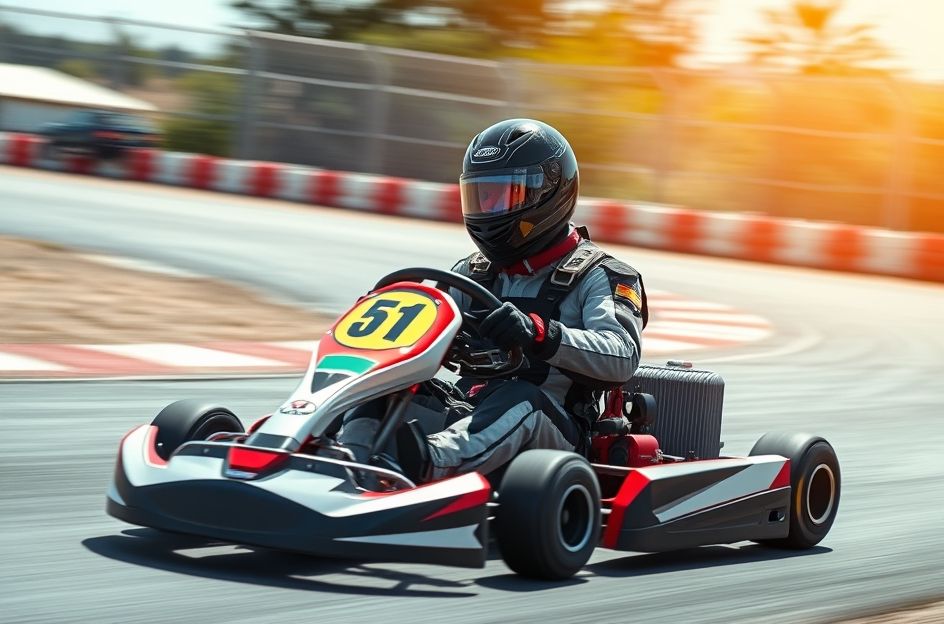
Go-karting offers an exhilarating experience, but prioritizing safety is crucial. Remember, you’re sharing the track with drivers of varying skill levels, especially when navigating tight corners. Adhering to essential safety guidelines significantly minimizes potential risks.
Go-karts vary in speed, from leisurely to incredibly fast, yet all promise excitement. Their straightforward design makes them easy to operate, appealing to a wide range of skill levels. Tracks nationwide cater to diverse needs, with classes for all ages. The accessibility and relative affordability of go-karting make it a popular gateway to the thrill of motorsports, without the high costs and inherent dangers of Formula 1.
While various racing vehicles exist, such as ATVs, scooters, dirt bikes, and motorcycles, go-karts offer a unique blend of speed, excitement, and relative safety, emulating the feel of IndyCar or Formula 1 racing. They provide the sensation of open-wheel racing powered by robust gas engines.
Go-karts cater to everyone, from beginners to seasoned racers. Whether you prefer a relaxed pace or aspire to emulate racing legends like Tony Stewart or Michael Schumacher, go-karting accommodates all skill levels. Many renowned NASCAR, Formula One, and IndyCar drivers began their careers in go-karts, demonstrating the potential for aspiring racers.
While go-karts were once primarily found in family fun centers at lower speeds, dedicated tracks have emerged, offering speeds up to 60 mph. Enduro karts can reach 90 mph, and shifter karts can achieve an astounding 160 mph. However, you can choose a level that suits your comfort and experience.
This raises important questions about safety. Is it safe to race at such high speeds? The answer is conditional. While safety is attainable, neglecting precautions increases the risk of injury. Accidents often stem from unsafe practices or inexperience rather than speed alone.
Staying within your comfort zone is paramount. As you progress, you may feel challenged when transitioning to more advanced classes. Building confidence gradually allows you to adapt to increased competition. Avoid advancing beyond your skill level.
Helmets are now essential, even on beginner tracks. A high-quality helmet is the most vital piece of safety equipment, protecting against serious head injuries in the event of a crash.
You significantly influence your own safety. Decisions made before racing, from clothing to kart selection, impact your safety on the track. Taking comprehensive safety precautions minimizes the risk of injury. Research and preparation are crucial. Enjoying a race and walking away unharmed is far preferable to requiring medical assistance.
Appropriate clothing is critical. While less crucial at slower speeds, proper attire becomes vital at higher speeds. Fire-resistant suits are essential to prevent burns from potential fuel fires. Fire-resistant shoes and gloves are also indispensable.
Modern go-karts feature roll bars that extend above the driver’s head. Caged go-karts offer enhanced protection with a full enclosure, similar to a roll cage. Side bars further protect against impacts from other drivers. Remember, regardless of your skill, you share the track with others who may have less experience. Investing in a quality go-kart is a wise decision.
By implementing these simple safety measures, you increase your chances of enjoying go-karting without injury. Go-karts can be as safe as you make them. With practice and experience, drivers can progress safely. Prioritize safety, and go-karting can provide years of enjoyment.