
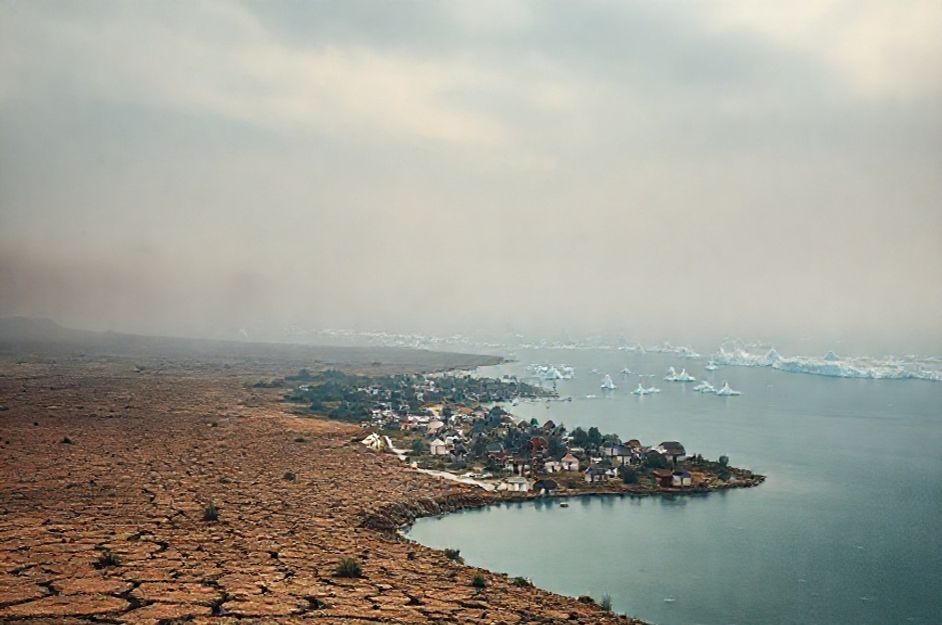
The overwhelming scientific consensus confirms that our planet is warming, driven primarily by greenhouse gas emissions from burning fossil fuels. The voices of climate change “skeptics,” often funded by the oil and coal industries, are increasingly marginalized in expert literature. The evidence of a changing world is undeniable. In Britain, trees are coming into leaf earlier, and winter is becoming shorter. Destructive floods are becoming more common, and snow is becoming rare in lowland areas.
Across the globe, the impacts are even more dramatic. In Alaska, Eskimo villages face relocation as the sea ice melts, disrupting traditional hunting and threatening coastal communities. In China, severe droughts have led to abandoned villages and devastating dust storms. In the Andes, melting glaciers threaten the water supply for millions. Island nations like Tuvalu are already experiencing rising sea levels, forcing residents to evacuate.
These events are not isolated incidents but early warning signs of a larger climate catastrophe. Scientists predict a potential warming of up to six degrees Celsius this century, which could have catastrophic consequences. To avoid such a future, global greenhouse gas emissions must be drastically reduced. The Kyoto Protocol and initiatives like the “contraction and convergence” model offer potential solutions.
Campaigning groups are calling for an end to new fossil fuel exploration, arguing that existing reserves are enough to destabilize the climate. A fundamental shift in societal priorities is needed, moving away from an oil-based economy towards sustainable solutions. The future of life on Earth depends on it.