
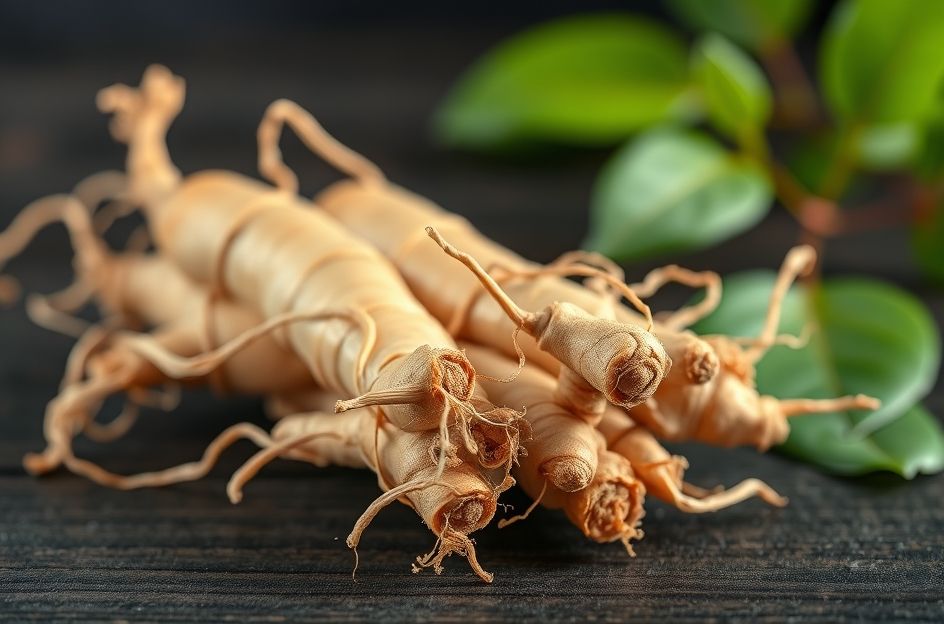
Ginseng, derived from the dried roots of various Araliaceae family herbs, is a renowned natural remedy. Asian ginseng (Panax ginseng C.A. Meyer), often marketed as Panax, Chinese, or Korean ginseng, stands out as the most prevalent type. American ginseng (Panax quinquefolius L.) shares a close kinship with its Asian counterpart but is sometimes favored for its gentler effects. Siberian ginseng (Eleutherococcus senticosus Rupr ex Maxim), while also called ginseng, possesses distinct compounds and is considered less potent and more affordable.
Ginseng-based products, including foods and supplements, commonly utilize powdered or extracted ginseng root. In the United States, ginseng is frequently sought after to enhance energy levels and overall vitality, especially during periods of fatigue or stress. Although robust clinical evidence supporting its energy-boosting properties remains limited, studies suggest its potential in regulating post-meal glucose levels in individuals with diabetes, bolstering immune function, addressing male impotence, and, in combination with Ginkgo biloba, alleviating memory issues and ADHD symptoms in children. Ginsenosides, plant-derived chemicals, are believed to contribute to ginseng’s effects and serve as key indicators of ginseng type and quality in products.