
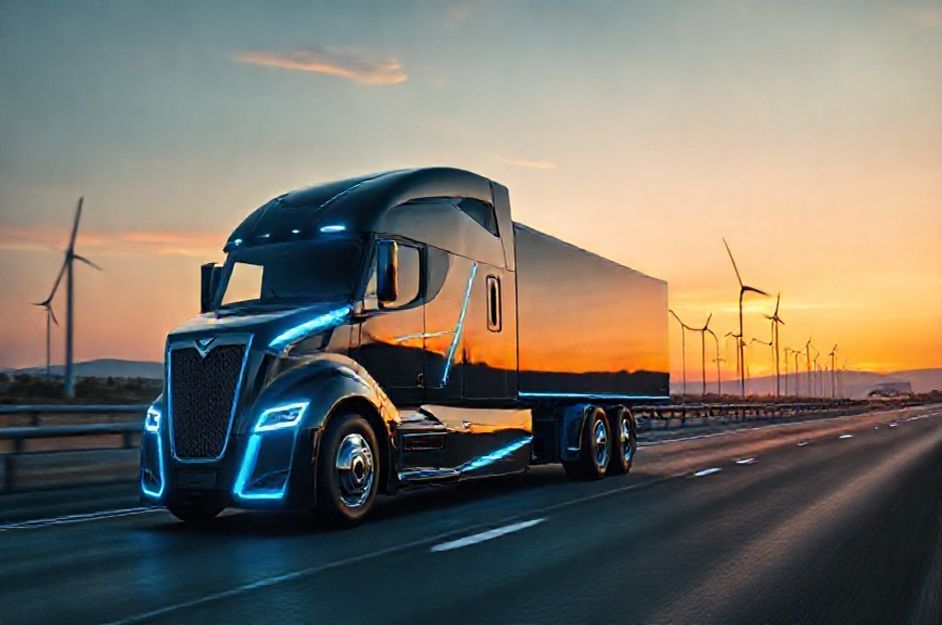
The trucking industry is on the cusp of a technological revolution, driven by concerns about energy efficiency and environmental impact. Several innovative prototypes and technologies are emerging, promising to reshape the future of diesel trucks.
Westport Innovation has pioneered High Pressure Direct Injection (HPDI) technology, adapting liquefied natural gas (LNG) to power diesel trucks. This approach significantly reduces gas emissions while improving fuel economy. These trucks, equipped with 400 hp Cummins ISX engines and Exhaust Gas Recirculation (EGR) systems, offer a quieter, cleaner, and more efficient transportation solution.
Daimler Chrysler in Germany is also heavily invested in developing cleaner engine technologies. Their “Blue Tec” system combines advanced engine design with Selective Catalytic Reduction (SCR) to minimize nitrogen oxide emissions. This diesel technology is specifically tailored for Mercedes-Benz trucks.
Beyond alternative fuels, the U.S. Department of Energy (DOE) is exploring ways to enhance engine efficiency by separating components like pumps, alternators, and compressors from the main engine block. By converting these parts to electric power, the engine compartment runs cooler, extending the engine’s lifespan. Electrically powered components also offer greater precision.
Major manufacturers like Caterpillar, Kenworth, Emerson, and Engineered Machine Products are collaborating with the DOE on these initiatives. Prototypes installed on Kenworth trucks have demonstrated the potential to eliminate over 65 parts through the use of more precise and reliable components.
Advancements in driver control are also transforming the trucking experience. Volvo’s new ESP system assists drivers by monitoring their actions and automatically correcting the truck’s movements through braking or engine power adjustments. This system incorporates cameras in the driver’s cab and steering wheel to detect drowsiness or erratic driving, providing timely warnings.
Steering systems are also undergoing innovation. SKF has proposed an electromechanical steering system as a replacement for traditional hydraulic systems. This system uses electronic signals to control actuators that steer the wheels, with sensors providing feedback to the driver. Benefits include the elimination of hydraulic fluids, reduced high-pressure leaks, and a quieter cab environment.
While these ongoing improvements are rapidly changing the truck industry, the focus remains on functionality. The complete replacement of human drivers with automated systems is still a distant prospect. For now, innovation continues to enhance the efficiency, safety, and environmental performance of diesel trucks.