
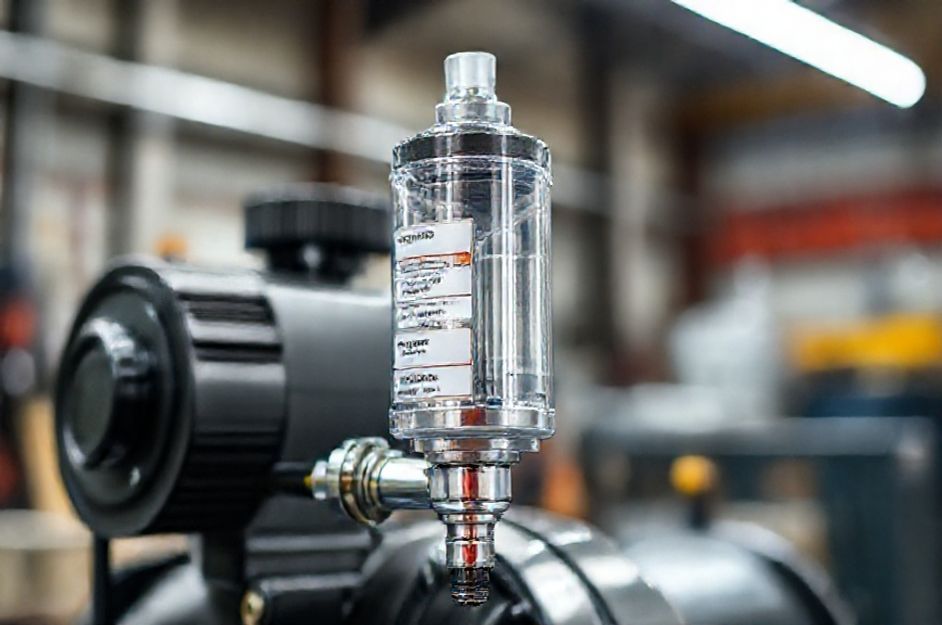
FRL stands for Filter, Regulator, and Lubricator. These devices are essential for conditioning compressed air from a compressor before it reaches its intended application, whether it’s powering air tools, controlling air cylinders via air valves, or other pneumatic operations.
When troubleshooting issues with a client’s compressed air FRL unit, the first step is to understand the symptoms. Common complaints include a malfunctioning regulator that’s leaking oil or an air filter that fills up too rapidly. Recognizing these issues is crucial for effective troubleshooting.
The FRL acronym’s order is intentional and critical for optimal performance.
Whether using an FRL assembly (a combination filter and regulator plus a lubricator) or individual components installed sequentially, the correct order is always: Filter, Regulator, then Lubricator. This arrangement maximizes the efficiency and lifespan of each component.
The filter is positioned first to intercept incoming air from the compressed air supply line. It acts as the primary defense against water and particulate matter present in compressed air. Removing these contaminants before they reach downstream components like the regulator and lubricator is essential for their longevity and performance.
The regulator follows the filter to ensure it receives clean air, extending its operational life and reducing potential failures. Its function is to reduce the upstream pressure to a consistent, lower pressure suitable for the application. While the regulator can adjust pressure, it’s crucial to remember that it can only decrease pressure below the upstream supply; it cannot increase pressure beyond that level.
Compressor systems typically operate cyclically, with pressure fluctuating as the compressor cycles on and off. The regulator stabilizes these pressure variations, ensuring a constant and steady pressure at the application point when set correctly. This consistent pressure is vital for reliable performance.
Incorrectly installing the regulator before the filter exposes it to unfiltered air, diminishing its effectiveness and potentially damaging the regulator. It also disrupts airflow to the filter, reducing its efficiency.
The lubricator, placed last in the FRL sequence, delivers a controlled stream of lubricant to downstream components such as air tools or air valve/cylinder combinations. However, modern pneumatic circuits often utilize high-cycle lubricants, potentially eliminating the need for a lubricator altogether.
Installing the lubricator between the filter and regulator can negatively impact the regulator’s operation, leading to over-lubrication and malfunction. In relieving-type regulators, excess lubricant can leak from the relieving port, causing the common “regulator leaking oil” complaint.
Positioning the lubricator upstream of both the filter and regulator results in the filter trapping the lubricant, preventing it from reaching the intended application and causing the filter to fill rapidly.
When a lubricator isn’t needed, the correct installation order is simply filter followed by regulator.
Combined filter/regulator units internally route the air through the filter section before it reaches the regulator, maintaining the correct operational sequence.
Therefore, always remember the importance of the FRL sequence for optimal compressed air system performance!