
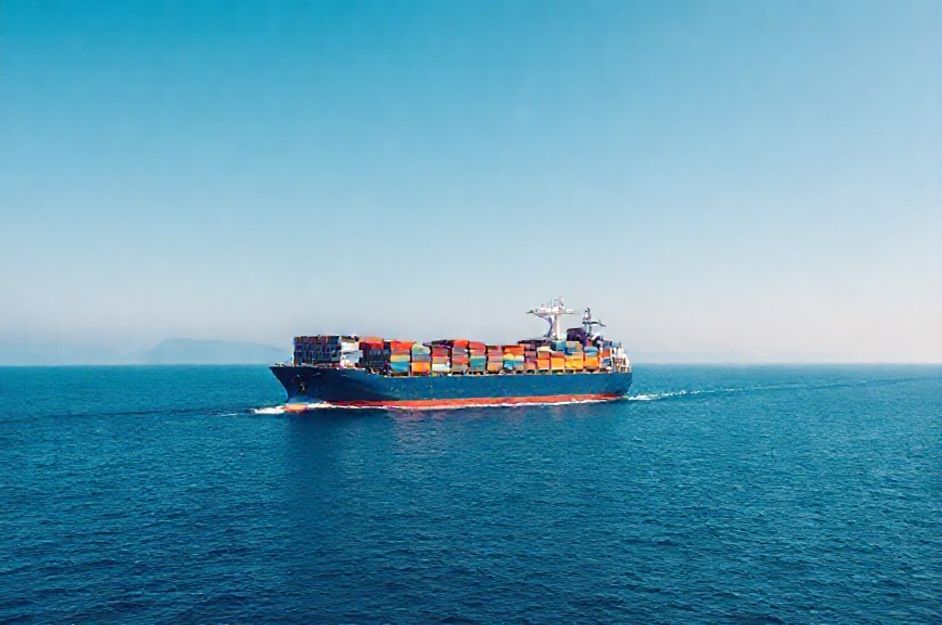
Freight refers to the transportation of goods via various modes, including water, air, and land. Shipping, the most prevalent method, underpins global commerce. The shipping industry facilitates 90% of world trade, supported by a fleet of approximately 50,000 technologically advanced vessels. The cost of constructing a new ship ranges from $100 million to nearly $200 million, highlighting the scale and investment within this sector.
Freight can be categorized as either incoming or outgoing. Incoming freight typically involves international goods arriving by sea or air, while domestic shipments are transported primarily by road or air. Outgoing freight services predominantly utilize sea or road transport, with air freight reserved for delicate and perishable items.
Ships are the workhorses of freight transport, handling the bulk of imports and exports for most nations. A robust shipping industry is essential for economic prosperity, enabling the movement of goods to international markets and the import of raw materials. The industry’s inherently global nature is reflected in its complex structure, where a single ship may be owned by one entity, managed by another, registered in a third country, and crewed by individuals from diverse nations. To ensure safety and operational standards, the United Nations regulates this international industry, and officers receive training according to globally recognized benchmarks.
When engaging in freight and shipping, it’s crucial to select a reputable service provider. Secure essential documentation, including the bill of lading, signed receipts, accurate addresses, and well-defined contracts, before finalizing any agreement. These precautions help ensure that your goods arrive at their destination safely and securely.