
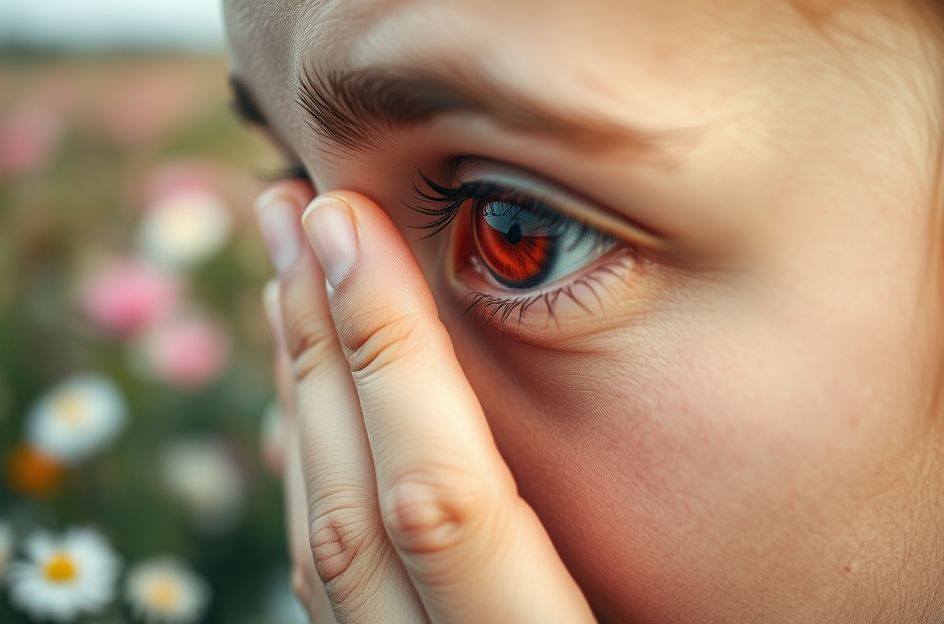
Allergic conjunctivitis encompasses various subtypes, each triggered by different allergens. These include seasonal allergic conjunctivitis, vernal conjunctivitis, perennial allergic conjunctivitis, atopic keratoconjunctivitis, reactions to medications or contact lenses, giant papillary conjunctivitis, and toxic papillary reactions. These conditions share common symptoms, but their causes and treatments can differ.
Seasonal Allergic Conjunctivitis: As the name suggests, this type of eye allergy arises during specific seasons. The primary symptoms include red, watery, and itchy eyes, often accompanied by a burning sensation and eyelid swelling. Summer allergies are frequently triggered by grass and tree pollen, while fall allergies are typically caused by weed pollen. Seasonal allergic conjunctivitis is also known as hay fever eyes or allergic rhinoconjunctivitis. It affects a significant portion of the population.
Treatment typically involves topical antihistamines, decongestants, and mast cell stabilizers. Consult an ophthalmologist if you experience decreased vision, intense pain, or a thick discharge.
Vernal Conjunctivitis: This represents a more severe form of seasonal allergic conjunctivitis, predominantly affecting children and young adults. Symptoms include intense itching, redness, watery eyes, and pain. A sticky discharge can make it difficult to open the eyes, especially after sleeping. The inner membranes of the eyelids may swell, and the conjunctiva’s appearance can change. Prompt treatment is essential to prevent potential corneal damage.
Effective treatments include topical antihistamines, mast cell stabilizers, and low-dose topical steroids. Wearing sunglasses can provide relief, especially during late spring when dry and dusty conditions prevail.
Perennial Allergic Conjunctivitis: This type occurs year-round, triggered by both indoor and outdoor allergens, such as house dust mites, pet dander, and other common indoor irritants. Symptoms are generally milder, with slightly itchy, watery, and red eyes.
Atopic Keratoconjunctivitis: A particularly severe form of eye allergy, atopic keratoconjunctivitis is more common in individuals with eczema. Common symptoms include persistent itching and dry eyes, potentially leading to blurred vision. If left untreated, it can result in corneal swelling and conjunctival scarring. While relatively rare, it primarily affects older adults.
In addition to airborne allergens, certain foods can also trigger this condition. Treatment options include topical antihistamines, mast cell stabilizers, and short-term steroid use. Immediate treatment is crucial, as rare cases have led to blindness.
Medication Reactions: Certain medications can induce eye allergies, characterized by conjunctival swelling and itching. Reactions can range from mild to severe and occur immediately after taking the medication. Common culprits include anesthetics, bacitracin, topical penicillin, and sulfacetamide.