
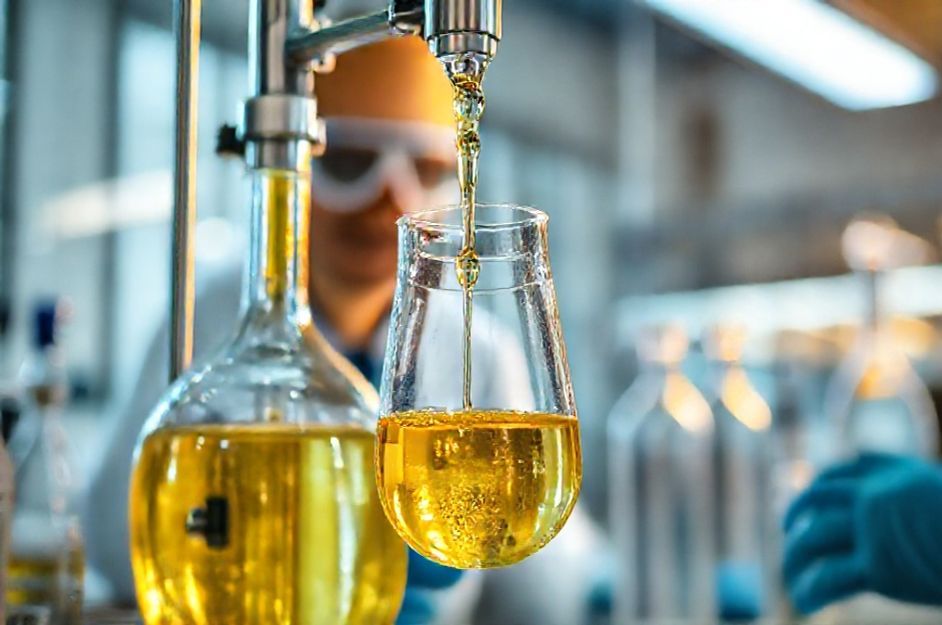
The volatile fuel market and escalating prices have driven increased interest in alternative fuels. Many consumers are seeking ways to reduce their dependence on traditional gasoline and mitigate the impact of fluctuating global fuel costs.
Over the past several years, fuel prices have risen dramatically, prompting individuals and businesses to explore alternative fuel options. Today, numerous solutions exist for alternative fuel use and production, offering viable methods to significantly reduce fuel consumption costs.
This growing trend has attracted attention from larger businesses, leading to increased promotion of home ethanol production and distillation. While ethanol use is encouraged, producing and selling it to the public involves complexities beyond personal use. It’s crucial to remember that ethanol production involves handling potentially hazardous materials. Scaling up production necessitates larger equipment and greater material usage, raising safety concerns.
Concerns exist regarding individuals experimenting with ethanol distillation without proper training or safety measures. Storing large quantities of flammable materials on private property and handling them unprofessionally poses significant risks. Furthermore, the quality of ethanol produced by unregulated individuals is questionable. Without formal quality control, the resulting product may be unsafe for use or further processing.
Individuals considering ethanol production should familiarize themselves with the standards set by organizations like the American Society of Testing and Materials to ensure safe and proper handling of materials and production techniques.
Self-manufacturing ethanol through distillation is a complex undertaking involving permits, inspections, and regulatory compliance. For most individuals, the time, effort, and expense outweigh the potential benefits.
However, embracing ethanol as an alternative fuel source can still be a worthwhile endeavor. Consumers can explore available ethanol blends and educate themselves on its properties and usage. Joining the alternative fuel movement by using ethanol can reduce reliance on traditional gasoline and potentially lower fuel costs.
While establishing a home-based ethanol production business may not be practical due to licensing, taxes, permits, and inspections, incorporating ethanol into your fuel strategy is a viable option.
Before venturing into ethanol distillation, familiarize yourself with using ethanol as a fuel. By joining the alternative fuel revolution, you can explore ways to reduce fuel costs and lessen your dependence on traditional gas stations.