
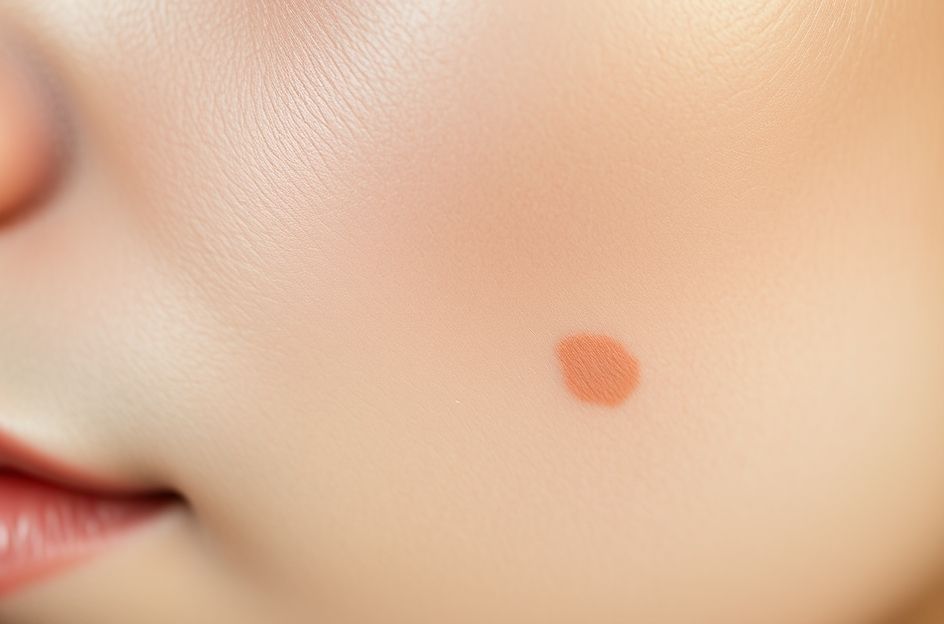
Stretch marks, those lines that appear on the skin in various colors, aren’t just a female concern. Teenagers and bodybuilders are also commonly affected. They typically arise after pregnancy or sudden weight fluctuations.
**Understanding Stretch Mark Formation**
Stretch marks aren’t solely a result of skin stretching. While pregnancy is a well-known trigger, the marks themselves develop when the skin *doesn’t* stretch adequately and tears. This lack of elasticity is often attributed to hormonal imbalances, specifically an excess of glucocorticoids. These hormones hinder the dermis’ ability to produce sufficient collagen and elastin. Collagen and elastin are essential proteins that provide the skin with the elasticity needed to accommodate stretching without tearing. When these proteins are deficient, stretch marks appear.
**Who is at Risk?**
Several factors can contribute to the development of stretch marks:
* **Pregnancy:** The rapid expansion of the abdomen during pregnancy is a primary cause.
* **Teenage Growth Spurts:** Rapid weight gain during adolescence can overwhelm the skin’s elasticity.
* **Bodybuilding:** Significant muscle growth can also stretch the skin beyond its capacity.
* **Cushing’s Syndrome:** This condition, characterized by prolonged exposure to high levels of cortisol, can weaken the skin.
* **Steroid Cream Use:** Prolonged use of topical steroid creams can also thin the skin and increase the risk of stretch marks.
**Navigating Treatment Options**
Unfortunately, there’s no guaranteed cure for stretch marks. Before investing in products promising complete removal, consult a dermatologist. Procedures like chemical peels and laser therapy are sometimes used to improve their appearance. Some evidence suggests that topical vitamin C and retinoids may also help. Your doctor can assess your specific situation and recommend the most appropriate course of action.
Even without treatment, stretch marks often fade over time. While they may not disappear entirely, their visibility typically diminishes.
**Disclaimer:** This information is for educational purposes only and should not be considered medical advice. Always consult with a qualified healthcare professional for any health concerns or before making any decisions related to your treatment or care.