
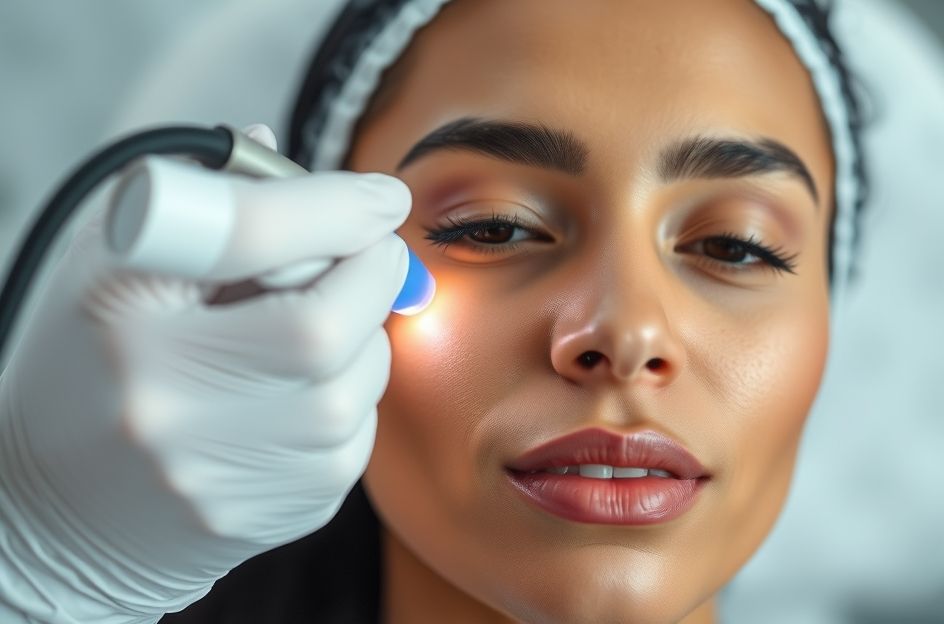
Electrolysis offers a method for hair removal by targeting individual hair follicles. A fine needle is inserted into the follicle, disabling the hair root through heat, chemical action, or a combination of both. This meticulous process treats each hair separately.
While often used for removing unwanted facial hair in women, electrolysis can be applied to nearly any area of the body. Many individuals have found electrolysis to be a successful solution for managing excess hair.
Developed around 1869 by ophthalmologist Charles Michel to address ingrown eyelashes, electrolysis was later adapted for broader hair removal purposes. The core technique has been refined and modernized over time.
Numerous scientific publications affirm the permanence of hair removal via electrolysis. However, some research suggests that hair regrowth can occur if new root cells develop in the treated area.
It is crucial to seek treatment from a reputable clinic with trained and licensed electrologists.
Compared to other hair removal options, electrolysis requires a significant time commitment. Regular sessions, occurring weekly or monthly, may be necessary for up to a year to achieve desired results.
Electrolysis can be painful, even with topical anesthetics. Patients often describe the sensation as heat, tingling, or stinging.
Communication with your electrologist is essential. They can adjust machine settings or treatment types to ensure your comfort. Redness, swelling, pinpoint scabbing, or even scarring are possible side effects. Discuss aftercare practices with your electrologist to promote healing.
Electrolysis can be expensive, with hourly rates ranging from $25 to $100. A lower hourly rate does not always guarantee a lower overall cost, particularly if treatment requires extended sessions.
If concerns about pain, time, cost, or potential scarring exist, explore alternative hair removal methods to determine the best fit for your needs.