
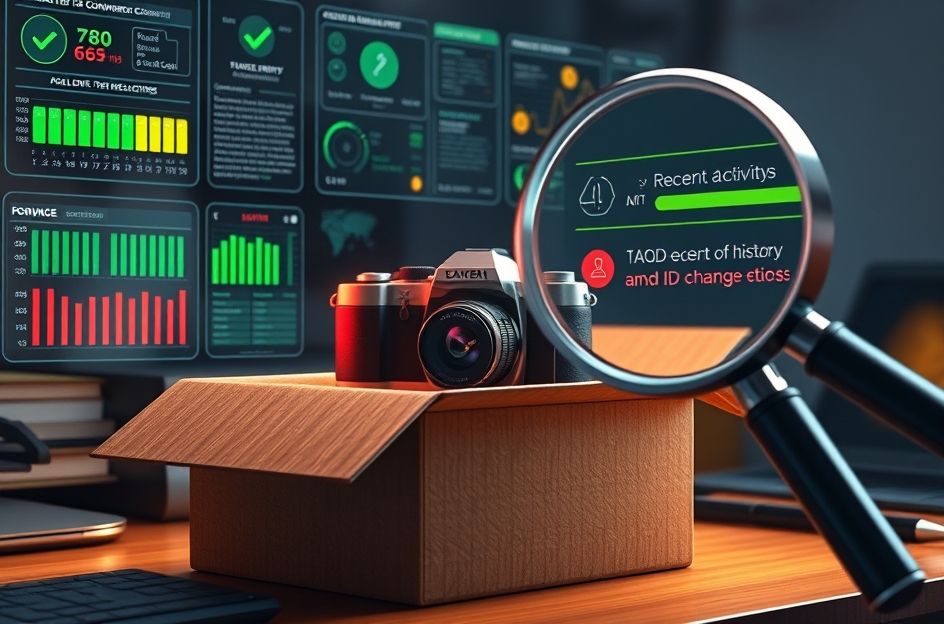
Selling high-value items on eBay requires caution. Before shipping anything, especially a valuable item you can’t afford to lose, take steps to assess your buyer’s trustworthiness. While payment might seem secure, PayPal transactions can be reversed, leaving you at a loss. Here’s how to gauge buyer reliability:
* **Feedback Left for Others:** Examine the feedback they’ve left for other sellers. A pattern of negative feedback should raise concerns. Proceed with caution, and avoid leaving feedback until you’re certain the transaction is complete.
* **Feedback Received from Sellers:** Analyze feedback left *for* the buyer. A history of complaints from sellers can be a red flag, whereas consistently positive feedback is encouraging.
* **Bid Retractions:** Frequent bid retractions suggest potential problems. Be wary of buyers who retract bids often.
* **Purchase History:** Note sudden shifts in spending. An account that typically buys low-cost items suddenly bidding on high-value goods warrants scrutiny.
* **Current Bidding Activity:** Be suspicious if a buyer suddenly bids on many items similar to yours, especially if they’ve never shown prior interest. Likewise, large, rapid spending sprees can be cause for concern.
* **ID Change History:** Multiple or recent ID changes might indicate the buyer is trying to hide from someone. Exercise extra caution.
* **New Buyers:** Don’t automatically assume new buyers (those with usernames ending in numbers and a feedback score of 0) are fraudulent. Many are simply inexperienced with eBay. Provide guidance on processes like setting up a PayPal account. Fraudsters rarely start with a zero feedback score, as it’s too obvious.
* **Communicate:** Engage with the buyer. Ask about their intended use for the item, express your confidence they’ll enjoy it, and offer assistance. A friendly, communicative buyer is generally more reliable.
To further mitigate risk, consider using eBay’s “pre-approved buyer” function, which allows you to restrict bidding to trusted buyers.