
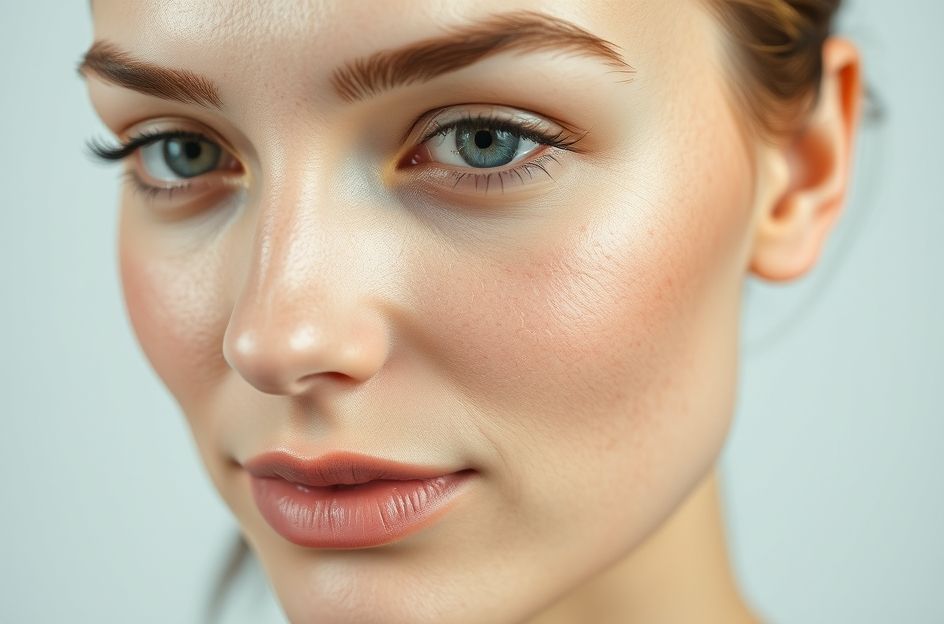
Acne can be a frustrating cosmetic issue, leaving many feeling trapped in a cycle of breakouts. While it may seem impossible, modern treatments and consistent care can lead to successful acne management. However, managing acne becomes more challenging when combined with oily skin.
Understanding Oily Skin
Our skin contains sebaceous glands responsible for producing sebum, a natural oil that moisturizes the skin and provides a protective barrier against microbial infections. Sebum comprises lipids and dead skin cells, constantly replenishing to maintain skin health. However, when these glands produce excess sebum, it results in oily skin.
Why Some Develop Oily Skin
Overactive sebaceous glands are a primary cause of oily skin. Hormonal fluctuations, particularly androgens, often trigger increased sebum production. This explains why many women experience increased oiliness during menstruation. Besides consistent skincare, consulting a doctor about methods to manage androgen levels and sebum production may be beneficial.
The Link Between Acne and Oily Skin
Oily skin creates an ideal environment for P. acnes bacteria to thrive. The abundance of oil in the glands and on the skin allows these bacteria to infect numerous glands, leading to acne breakouts. Proper management of oily skin is crucial in preventing acne development. Without careful management, the likelihood of acne increases significantly.
Disclaimer: The information provided in this article is intended for general knowledge and informational purposes only, and does not constitute medical advice. It is essential to consult with a qualified healthcare professional for any medical concerns or before making any decisions related to your health or treatment. The author is not liable for any consequences resulting from the use of this information.