
Hypertension, or high blood pressure, can be challenging to diagnose because its symptoms vary and often overlap with other conditions. A comprehensive medical examination, including blood pressure monitoring, is crucial for accurate diagnosis. Often, hypertension is discovered unexpectedly during consultations for unrelated health issues.
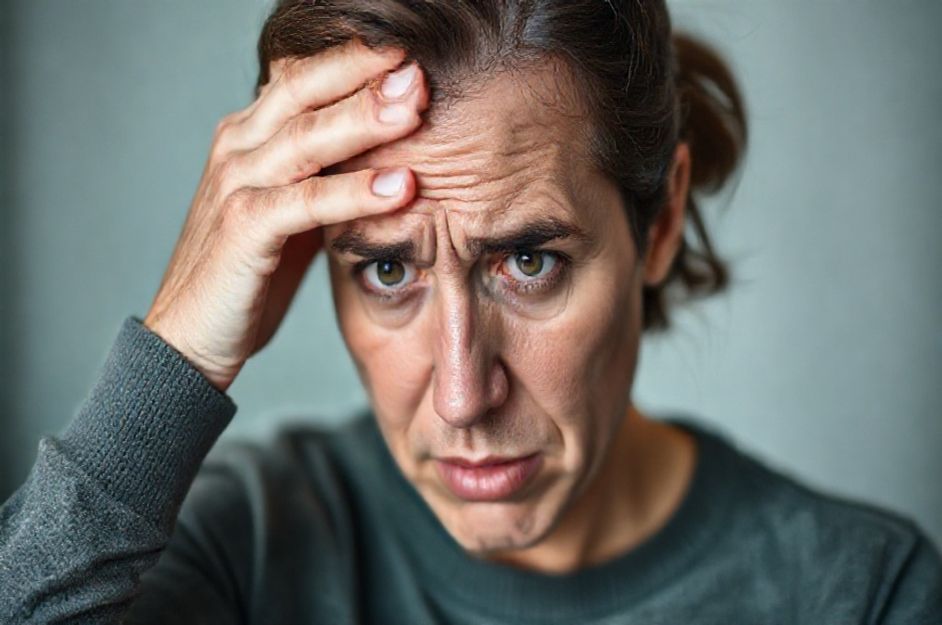
Uncontrolled hypertension can harm major organs, including the heart, kidneys, liver, and eyes, and can increase the risk of stroke. Physical symptoms may include dizziness, headaches, blurred vision, tremors, seizures, difficulty with exertion, and clinical depression.
Cardiac damage from high blood pressure can manifest as fatigue, shortness of breath, and excessive sweating, requiring prompt medical evaluation. Kidney damage may present as increased urinary frequency or painful urination, along with skin dehydration and electrolyte imbalance. Ocular hypertension can cause vision problems and, if untreated, vision loss.
The challenge lies in the similarity of hypertension symptoms to other conditions, such as diabetes or even intoxication. Misdiagnosis can occur if the underlying cause (high blood pressure) is missed, especially when organ damage is present. Therefore, routine blood pressure checks are essential for various health complaints.
Given the diverse range of potential symptoms, anyone experiencing the aforementioned issues should seek immediate medical advice for accurate diagnosis and management of high blood pressure.