
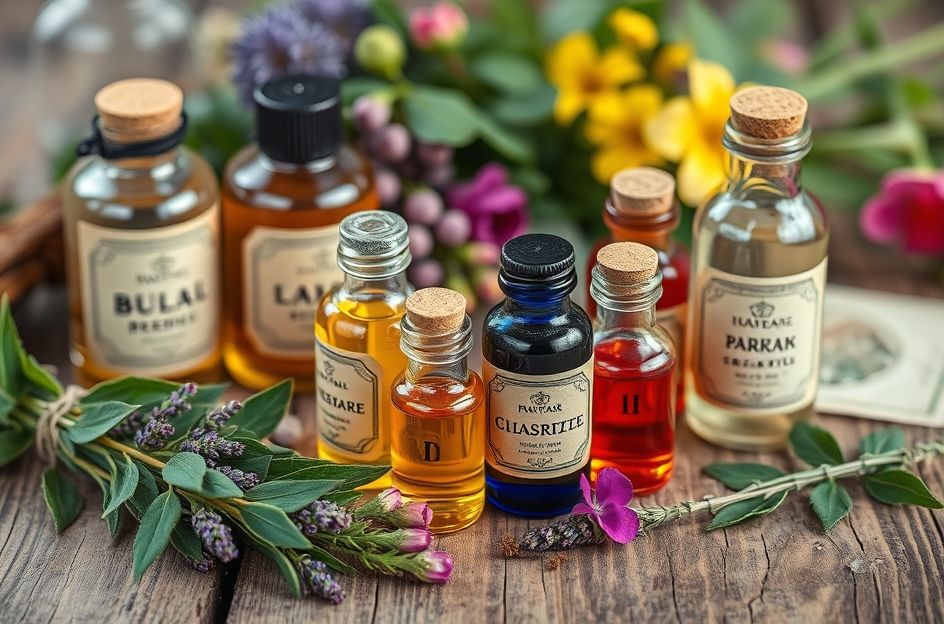
Creating a personalized perfume at home is easier than you might think. If you’ve ever struggled to find a fragrance that truly complements your skin’s chemistry, this guide offers a solution: crafting your own unique scent. Forget complex formulations and expensive brands; with the right materials and a little patience, you can design a perfume that reflects your individual style.
Before diving into the essential oils and extracts, gather your basic equipment. This includes test tubes, glass beakers, measuring cups, and glass stir rods. Avoid using metal or plastic containers, as these materials can alter the fragrance of your perfume. Secure airtight lids for storing your mixtures during the aging process, which prevents evaporation.
The magic of perfume lies in the artful blending of oils, each contributing a distinct note to the overall composition. Base notes provide depth and longevity, with examples like cinnamon, fern, moss, and sandalwood. Middle notes, such as ylang-ylang, lemongrass, and neroli, form the heart of the fragrance. Top notes, including bergamot, lemon, orange, and orchid, offer the initial burst of scent.
While traditional perfumes may incorporate animal-derived oils, synthetic alternatives are readily available for a cruelty-free approach. Essential oils might need a bridge note to ensure seamless blending. Adding a small amount of ethyl alcohol (or vodka as a substitute) helps to bind the oils together.
After mixing, store the blend in a dark, cool place for two days to allow the scents to meld. Finally, dilute the concentrate with distilled water, filtering the mixture to remove any solid particles. Transfer your finished perfume to a beautiful glass bottle.
Creating perfume is a process of experimentation, much like mastering a new skill. Don’t be discouraged if your first attempts aren’t perfect. Experiment with different fragrance notes until you find a harmonious blend. For a simple introduction to perfume making, try using rose petals to create a delicate floral scent.
For those considering turning perfume making into a business, setting up a dedicated workspace is essential. Reference books and online resources can provide valuable recipes and guidance. Even unsuccessful blends can be repurposed as air fresheners, aromatherapy oils, or to scent paper. The key to successful perfume creation is understanding your own scent preferences and catering to the tastes of your target audience.