
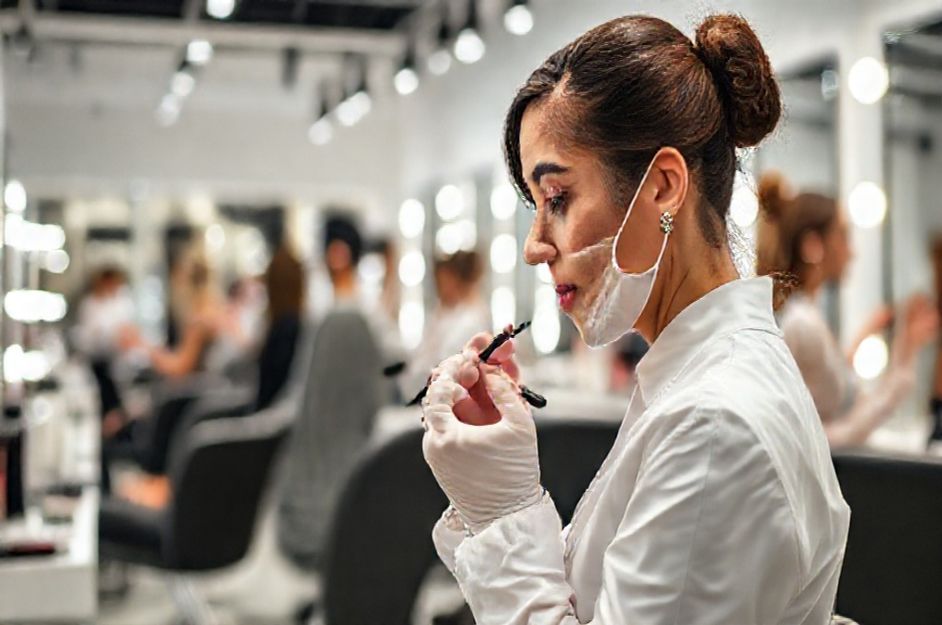
Insurance providers often treat cosmeticians and cosmetologists the same when offering professional liability coverage. However, key distinctions exist between these professions that should be reflected in insurance policies. Professional liability insurance is designed for qualified professionals, covering potential malpractice claims or unforeseen outcomes from sound practices by well-trained, certified individuals from reputable institutions. This would logically lead insurers to favor cosmetologists, who generally possess more advanced training within the beauty sector.
The core difference lies in their roles: cosmeticians primarily sell or apply cosmetics in beauty parlors, while cosmetologists are beauty specialists with expertise in cosmetic application and techniques. While some may argue this distinction is driven by cosmeticians seeking to improve their public image rather than superior education, the differing scopes of practice remain.
Cosmetics have ancient roots, with Egyptians pioneering oils, herbs, and fragrances for beauty and religious purposes. The use of kohl for eye enhancement was common among both genders. Throughout history, the demand for cosmeticians has steadily grown, elevating the profession to an art form.
Increased cosmetic costs and heightened consumer awareness have created a need for more comprehensive protection for cosmeticians against public lawsuits. Professional liability insurance, while valuable, now covers only a portion of the risks faced by today’s cosmeticians. The use of diverse applied products and evolving consumer protection laws necessitate protection against product-related lawsuits, particularly for those using self-made formulations lacking manufacturer liability coverage. The rise of hair and beauty salons also calls for general liability coverage, and in the era of gender equality, protection against discrimination and harassment is also paramount.
There’s a significant opportunity for both the insurance industry and beauty professionals to acknowledge the potential of cosmetologists and elevate standards within the industry. Enhanced training, regulated education, and continuous professional development will benefit both cosmeticians and their clients, paving the way for more robust and tailored insurance solutions. Consumers are increasingly discerning about their appearance, investing in premium products and treatments, and expecting highly skilled practitioners. The insurance industry must adapt by supporting the growing professionalism of beauty practitioners or risk offering inadequate, outdated coverage. Ultimately, cosmeticians who fail to prioritize professional development may face the greatest risks.