
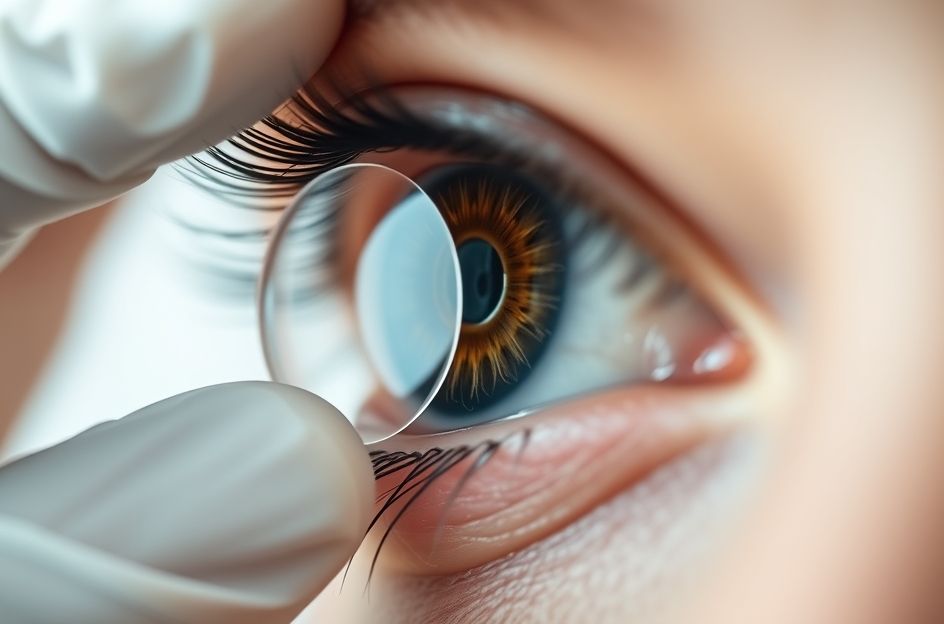
Contact lenses have become a popular vision correction option, with over 100 million users worldwide. Their appeal lies in continuous technological advancements enhancing both comfort and functionality. This article explores the reasons behind their widespread adoption, the various types available, and essential guidelines for safe wear.
People choose contact lenses over glasses for a multitude of reasons. Aesthetics play a significant role for many, who prefer their appearance without glasses. Cosmetic lenses offer another draw, providing options to alter or enhance eye color. Functionality is also key; contact lenses are ideal for sports or professions where glasses are impractical. Therapeutic contact lenses serve a medical purpose, acting as a bandage to aid healing after corneal injuries or surgeries. Some lenses even combine vision correction with cosmetic features, offering both color enhancement and refractive correction.
The evolution of contact lens materials has progressed significantly. Early lenses were made of glass, followed by Plexiglas and rigid gas permeable (RGP) materials. Today, soft contact lenses are the most prevalent, made from materials like silicone hydrogel or plastic polymers such as etafilcon A, galyfilcon A, and senofilcon A (found in Acuvue lenses). RGP lenses are often recommended for individuals with dry eyes, as they don’t contain water that can evaporate.
Prior to wearing contact lenses, consulting an ophthalmologist is crucial. The doctor will assess your eye health and determine the most suitable lens type. Factors considered include the lens material, wearing schedule (daily, extended, or continuous wear), and lens shape (spherical, toric, or multifocal). Lenses are classified as either rigid or soft, with soft lenses always being gas-permeable. The moisture content of the lens is another important consideration.
Daily disposable lenses are generally considered the safest option due to the lower risk of infection. These lenses are sterile, require no cleaning, and eliminate the need for storage solutions. Extended wear lenses offer convenience, allowing for longer wear periods and good oxygen permeability. However, they carry a higher risk of infection due to potential bacterial buildup and debris accumulation.
Acuvue, manufactured by Johnson & Johnson’s Vistakon, is a leading contact lens brand. They offer both vision-correcting and cosmetic lenses, specializing in disposable options designed for replacement every two weeks (Acuvue, Acuvue 2, Acuvue 2 Colors, Acuvue Advance, and Acuvue Oasys) or less (1-Day Acuvue). They also produce extended wear lenses.
Lens quality is paramount to eye health. Substandard lenses can cause irritation, corneal damage, and eyelid abrasions. Proper handling, cleaning, and storage are vital, even with high-quality lenses. Always purchase contact lenses from reputable sources and after consulting with an eye care professional. Online retailers can offer competitive pricing and convenience, but ensure they are established and trustworthy. Prioritize your eye health by making informed choices and following professional guidance.