
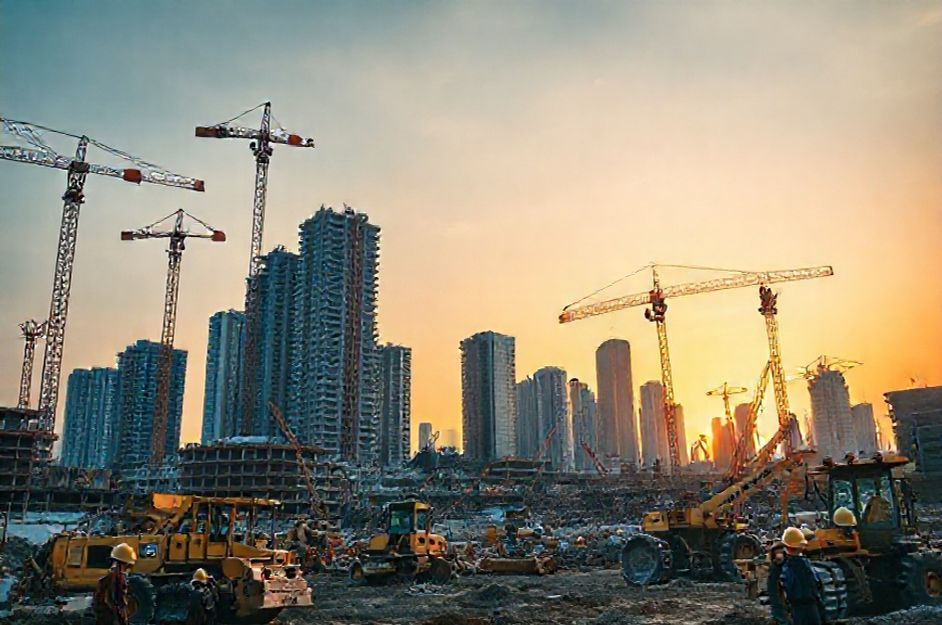
The demand for heavy construction equipment is a global phenomenon, significantly amplified by burgeoning economies in regions like the Indian subcontinent, the Middle East, and East Asia. Rapid infrastructure development in countries such as China and Singapore has fueled this growth. China’s infrastructure, in particular, boasts well-developed networks of roads, buildings, and commercial centers, even in its interior regions, driving a surge in construction equipment sales.
While Western regions dominated construction equipment sales from the 1960s to the mid-1980s, the last two decades have witnessed exponential economic growth in the East. A rising middle class and increased earning potential have spurred the development of residential and commercial properties, leading to increased construction activity. This evolution has prompted the construction industry to adapt, resulting in a corresponding increase in construction equipment sales.
The collaboration between builders, architects, and large construction companies has facilitated significant economic development. The construction of towering skyscrapers, expansive shopping malls, and extensive road networks has further propelled the demand for construction equipment. To manage these large-scale projects, companies are forming strategic partnerships, joint ventures, and alliances, enhancing their construction capabilities and expanding their equipment fleets.
Construction equipment sales are closely linked to iron and steel prices. Increased iron ore extraction and market growth have coincided with infrastructure development. Large projects necessitate substantial capital investments. In developing countries, strategic capital management allows investors to secure funding for the purchase of heavy construction equipment, mitigating financial risks.
Pricing and financing play crucial roles in construction equipment sales. Pricing influences purchasing decisions, sometimes favoring rental options. Demand is influenced by country-specific factors, equipment availability, and material costs. Access to financing provides a competitive advantage, stimulating sales for manufacturers.
Ultimately, construction equipment sales are significantly influenced by pricing and financing options, as these factors directly impact project costs. These sales are most prominent in rapidly growing economies characterized by ongoing infrastructure development.