
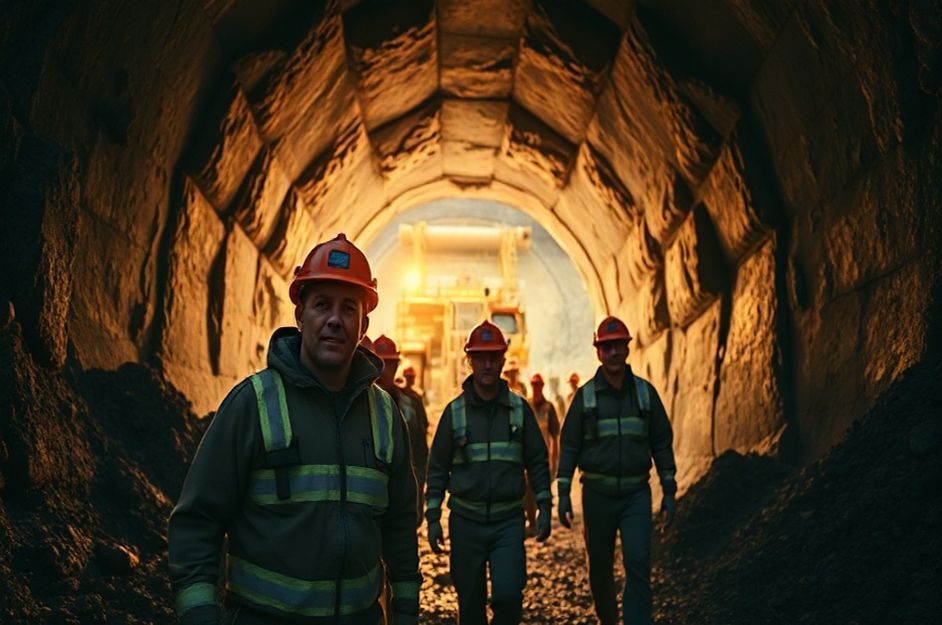
After a period of decline in the mid-1990s, coal is experiencing a significant resurgence as a key energy source. While natural gas was once favored, a shift began in 1998, marked by a reversal in declining consumer coal stocks, as indicated by a U.S. Department of Energy study. This, combined with consistently low coal prices, has revitalized the industry.
Currently, coal fuels over half of America’s electricity generation. Mines that were previously shuttered are now reopening, providing employment opportunities for former workers.
America possesses vast coal reserves, estimated at 274 billion tons of recoverable resources, dwarfing reserves of natural gas (39 times less) and oil (54 times less).
Furthermore, the environmental impact of coal usage is decreasing due to advancements in emission control technologies. Sulfur dioxide and nitrogen oxide emissions have significantly decreased, with sulfur dioxide emissions dropping by 38 percent and nitrogen oxide emissions dropping by 32 percent between 1980 and 2001.
Coal-based electricity remains a crucial component of America’s energy landscape. Companies like Quest Minerals and Mining Corp. are actively contributing to the coal industry’s future by acquiring and reopening coal-producing properties in the southeastern United States, while adhering to Clean Air Act standards. Quest’s recent acquisition of Gwenco Inc. grants them access to over 700 acres of coal leases, containing almost 13 million tons of coal across six seams. Quest intends to restart commercial coal production at two of Gwenco’s former drift mines, supplying coal to public utility companies in Kentucky and Ohio.