
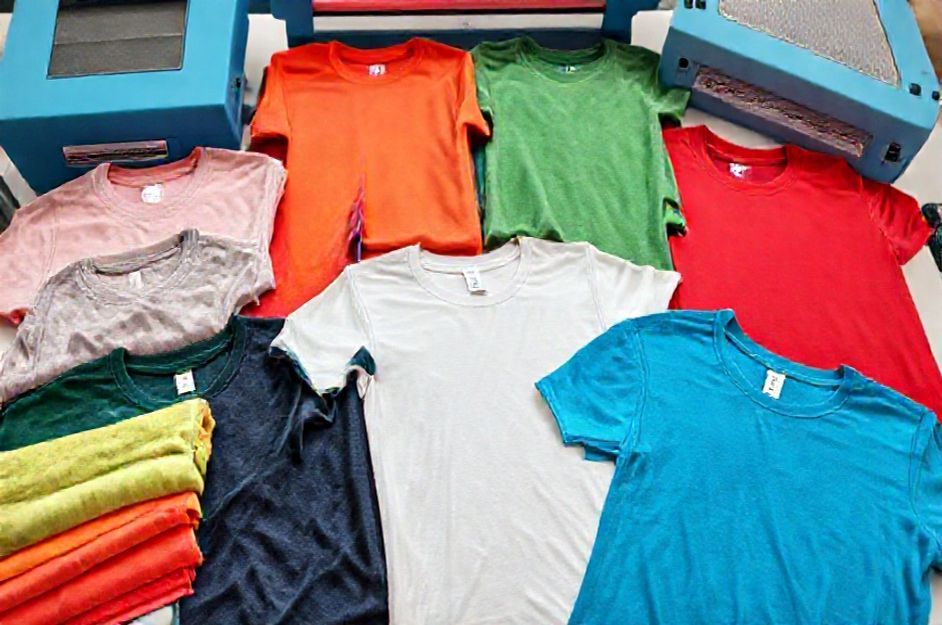
Selecting the right t-shirt for custom printing is crucial for a successful outcome, yet it’s often the most overlooked aspect. This guide aims to provide a clear understanding of the factors involved in making an informed decision.
The options are vast, encompassing different brands, fabrics, weights, finishes, and styles. While t-shirts are a popular advertising medium and brand loyalty exists, many people struggle to distinguish between similar shirts.
Consider these factors when choosing a shirt: What type of apparel do you need? Options include 100% cotton, 50/50 blends, ringer tees, raglan tees, jerseys, tank tops, and sweatshirts. Next, consider the garment color. Availability varies depending on the chosen style, so flexibility is key. Color choices include pigment-dyed, tie-dyed, whites, lights, and darks. Generally, whites are the most affordable, followed by lights, darks, and specialty colors.
Beyond these basics, numerous other choices exist. Sleeve length options include 1/4, 1/2, 3/4, and long sleeves. Collar styles range from regular collars to scoop necks and v-necks. For tank tops, consider spaghetti straps or regular tanks, and pay attention to armhole size, which varies significantly between brands. Think about your target audience when deciding on the cut. You can choose between classic fits, fitted styles, and youth cuts. Regular cut t-shirts are often available up to size 6XL, though not in all colors. Talls are also an option. Keep in mind that deviating from standard options typically increases the price, reflecting basic supply and demand principles. Since most manufacturers produce white 100% cotton t-shirts, competition drives prices down. However, if you require a 3XL, navy, tall, long-sleeved shirt with a pocket, fewer manufacturers will offer it, resulting in higher prices.
If you’re printing on sweatshirts, additional choices arise, such as hooded or crewneck styles, heavyweight or lightweight fabrics, and 1/4 zip or full zip options.
While brand loyalty is commendable, prioritize cost-effectiveness when purchasing large quantities of t-shirts for printing. Avoid sacrificing quality (e.g., substituting a 50/50 5.6-ounce shirt for a 100% cotton heavyweight to save a nickel), but if you’re buying 100 shirts and Brand A costs $1.99 while Brand B costs $2.49, choose wisely. If unsure, examine your own wardrobe and identify your favorite t-shirt brand; you can likely order the same one. Best of luck with your custom apparel purchases!