
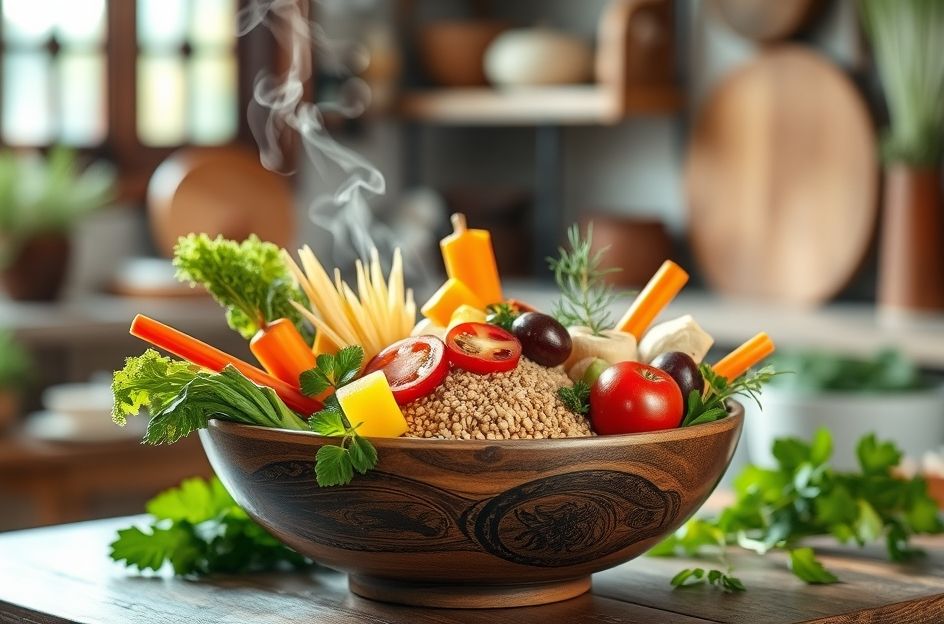
For those seeking natural healing methods and supplements to enhance well-being, the ancient practices of Chinese food therapy offer a compelling avenue for exploration.
Chinese food therapy, also known as Chinese nutritional therapy, boasts a history stretching back to approximately 2000 BC, with documented applications appearing around 500 BC. At its core, this therapy utilizes specific foods to promote healing of various ailments and maintain overall health. A central tenet is the concept of yin and yang in foods; yin foods are believed to slow metabolism and reduce body heat, while yang foods are thought to accelerate metabolism and increase body heat.
The Chinese dietary framework traditionally encompasses four primary food groups: grains, vegetables, fruits, and meats. Dairy products are generally excluded, considered unsuitable for human consumption. A balanced daily diet, according to this philosophy, consists of approximately 40% grains, 30-40% vegetables, 10-15% meats, with the remaining portion comprising nuts and fruits.
In Chinese food therapy, foods are further categorized by taste: pungent, salty, bitter, sweet, and sour. Each taste is believed to exert a direct influence on specific organs. When consumed in moderation, a particular taste can benefit the corresponding organ, but overconsumption can have detrimental effects.
Followers of Chinese food therapy firmly believe that “you are what you eat.”
One illustrative example is the Cantonese remedy for coughs. This preparation involves slow-cooking apricot kernels, watercress, and dried duck gizzards for several hours. Pork can be added for flavor, but beef or chicken are avoided as they are believed to negate the healing properties of watercress. The watercress works to reduce excess yang in the body, while the duck gizzards help balance the yin and yang of the recipe. Apricot kernels are thought to target the lungs directly.
By embracing the wisdom of Chinese healing, you may discover unexpected benefits for your health.