
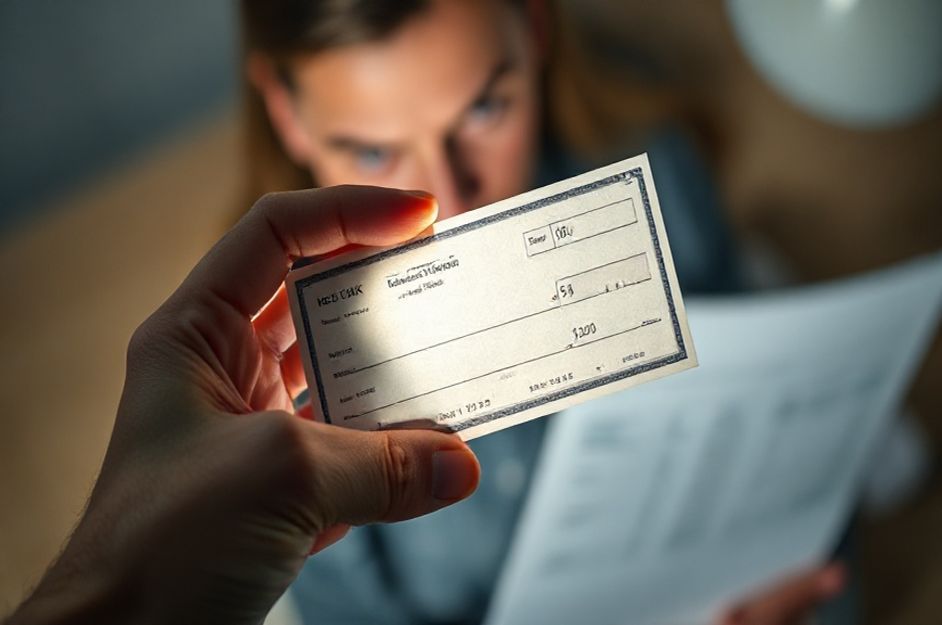
In today’s world, safeguarding yourself from scams is becoming increasingly difficult due to the rise of identity theft. Criminals are targeting not only physical possessions but also personal information like credit cards and bank checks. While banks typically make deposited funds available within a few days, this doesn’t guarantee the check’s validity. Federal regulations mandate the release of funds within a specific timeframe, but it can take weeks for a bank to detect a fraudulent check. The common misconception is that a “cleared” check is legitimate. However, if a deposited check turns out to be fraudulent, the depositor is held responsible for the funds.
Banks often issue “Fraud Alerts” to inform customers of their liability and offer basic protective measures. Because you interact directly with the individual providing the check, you’re in the best position to assess the risk. Being held liable for bad checks can lead to financial strain, stress, and potential credit problems.
To protect yourself from check fraud, consider the following precautions:
* **Avoid Overpayments:** Be suspicious of checks exceeding the agreed-upon amount.
* **Verify Account Holder:** Ensure the check is drawn from an account registered to the buyer.
* **Decline International Transfers:** Refuse requests to forward funds to third parties in other countries related to the deposit.
* **Exercise Caution:** Prioritize safety and trust your instincts. If you have any doubts, don’t proceed with the transaction. Seek advice from a qualified professional before engaging in any potentially risky financial dealings. Proactive caution can help you avoid future complications.