
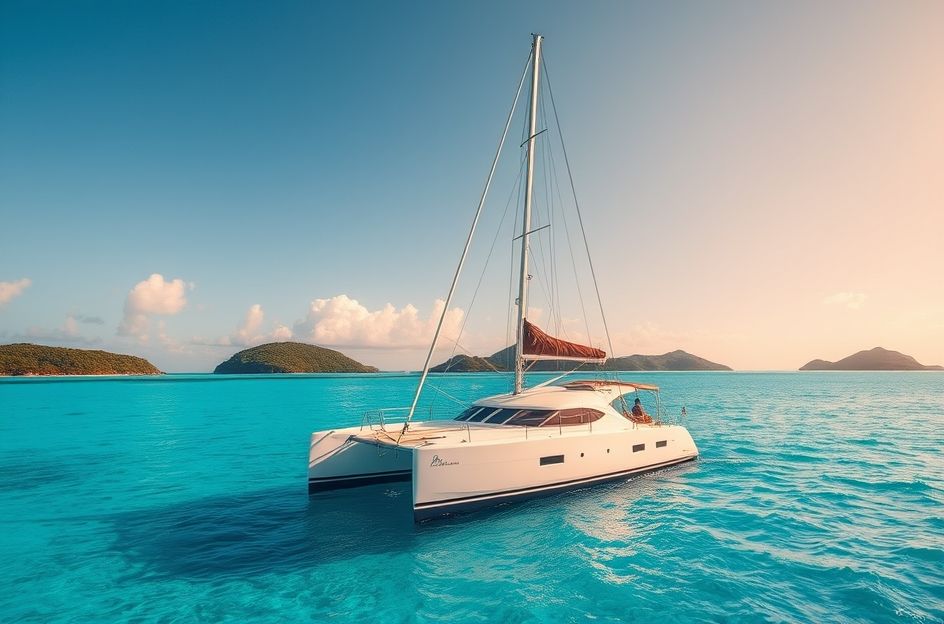
Chartering a boat and exploring the turquoise waters of the Caribbean is an unparalleled experience. To fully enjoy island hopping, knowing how to anchor or use a mooring ball is essential for safe and relaxing stops. Secure anchoring is a fundamental skill, emphasizing preparation and careful maneuvering. Don’t be discouraged by initial setbacks; even seasoned sailors encounter challenges. Prioritizing a proper anchor set is crucial, as a poorly anchored boat endangers itself and others nearby. These guidelines will ensure confident, hassle-free anchoring.
Selecting the Perfect Anchorage
Begin by choosing your anchorage wisely, ideally arriving early in the afternoon. Adequate daylight allows you to identify potential hazards like shoals, rocks, coral, fish nets, and other vessels. Popular anchorages in the Caribbean can become crowded, particularly during peak season (December to April), so arriving early provides time to find an alternative spot if needed.
Consider these factors when selecting an anchorage: protection from prevailing and expected weather conditions, potential exposure to swells, and the accuracy of charts for the area. Also, assess the holding quality of the seabed. Sandy bottoms generally offer the best grip. Avoid rock, coral, and shale, as they hinder anchor penetration. Grassy bottoms can also pose challenges.
Evaluate the anchorage’s ambiance – is it noisy, crowded, dirty, or smelly? Will beach bar music disrupt your sleep, or will ferry exhaust spoil the idyllic atmosphere? Consider the visual appeal of the anchorage at dawn and dusk. Assess the dinghy ride to shore, the availability of dockage, and onshore amenities. Depth and tidal range are critical; ensure sufficient depth at low tide and calculate scope accordingly. Finally, ensure ample room for your boat to swing without endangering others.
Preparing for Anchoring
Once you’ve identified the ideal anchorage, coordinate communication between the helmsperson and the anchor handler using hand signals, as engine noise will impede verbal communication. Prepare the boat by furling sails and tidying up. Shorten the dinghy painter to prevent it from being sucked into the propeller when reversing. Open the anchor locker, and if a safety line secures the chain, release it. Ready the anchor for deployment by disengaging it from the bow rollers, typically using the windlass remote to lower it slightly. Keep fingers and toes clear of the chain. Finally, conduct a slow-speed tour of the anchorage to pinpoint your desired location.
Dropping and Setting the Anchor
After surveying the anchorage, choose your precise spot, keeping a safe distance from existing boats, accounting for potential wind shifts. It’s always better to err on the side of more space. Ensure adequate room to swing with a 7:1 scope without encroaching on other vessels. A safe minimum scope ratio, when using all chain, is 5:1 (chain length to depth); increase to 7:1 in heavy weather. Depth is the water depth at high tide plus the height from the waterline to the bow roller. Scope is the actual length of anchor line paid out. Insufficient scope is a common anchoring mistake.
Head into the wind and motor slowly to your chosen location. Stop the boat where you want the anchor to land. Remember that catamarans take longer to stop than monohulls. Ensure the boat has completely stopped moving. For catamarans, use both engines at idle to maintain heading. Lower the anchor to the seabed using the windlass. Avoid simply “dropping” the anchor, as the chain will pile up, preventing proper setting. As the boat drifts backward with the wind, pay out the appropriate scope. Snub the chain to allow the boat to straighten into the wind. Once aligned, gently engage reverse at approximately 1500 RPM for 15-20 seconds to set the anchor. The chain should straighten without vibrating or skipping. Add more scope if necessary. Visually inspect the anchor with snorkel gear to confirm it’s properly set and free from obstructions like coral. Reset if needed.
Once the anchor is firmly set, identify reference points on shore or other boats to monitor for dragging. Observe these points for an hour to ensure your position remains stable.
Handling a Dragging Anchor
Dragging during the day is manageable. Engage the engine in idle and pay out more chain to see if the anchor resets. If not, re-anchor. Dragging at night is more challenging. If you wake up to find yourself in a different location, you’ve likely been dragging. If another boat is dragging and nobody is aboard, either reset their anchor or move your boat to safety.
The Mooring Ball Alternative
Mooring balls, common throughout the Caribbean, offer a convenient alternative to anchoring for a small fee. They protect coral from anchor damage and provide three key advantages: eliminating the need to deploy your anchor, a more secure hold, and a tighter swing radius.
Approach the mooring slowly with the dinghy painter shortened. Have a crew member with a boat hook ready to grab the mooring pennant. Attach a line to a bow cleat with the free end nearby. For monohulls, use two lines from opposite bow cleats to prevent chafing. Point the bow into the wind and slowly approach the mooring ball, shifting between forward and neutral. Use reverse to stop as the crew member retrieves the pennant and passes the line(s) through it. Secure the free end to the opposite bow cleat. If you miss the pennant, circle around and try again. Once secured, adjust the lines.
To depart, release the lines and let go of the pennant, taking care not to run over the buoy.
Weighing Anchor
Prepare for raising the anchor by stowing loose items and closing hatches (except the anchor locker hatch). Shorten the dinghy painter and start the engine. With a crew member at the bow using the windlass remote, communicate with hand signals to move the boat slowly forward towards the anchor. Stop the boat before overshooting the anchor. Crank up the chain while it’s slack. When the chain is taut, signal the helmsperson to move the boat forward again, avoiding using the windlass to pull the boat. Once the boat is directly above the anchor, finish raising it and secure it on the rollers. Signal the helmsman that the boat is free. Reattach the safety line, stow the remote, and secure the anchor locker hatch. Then, raise the sails.
Anchoring is both an art and a science, requiring coordination between the helmsman and crew with the wind, current, and vessel. Don’t be discouraged by difficulties; even experienced sailors face challenges. Practice makes perfect. Contact Virgin Island Sailing to arrange your charter and perfect your anchoring skills for the most relaxing vacation ever. Nothing else beats Caribbean sailing!