
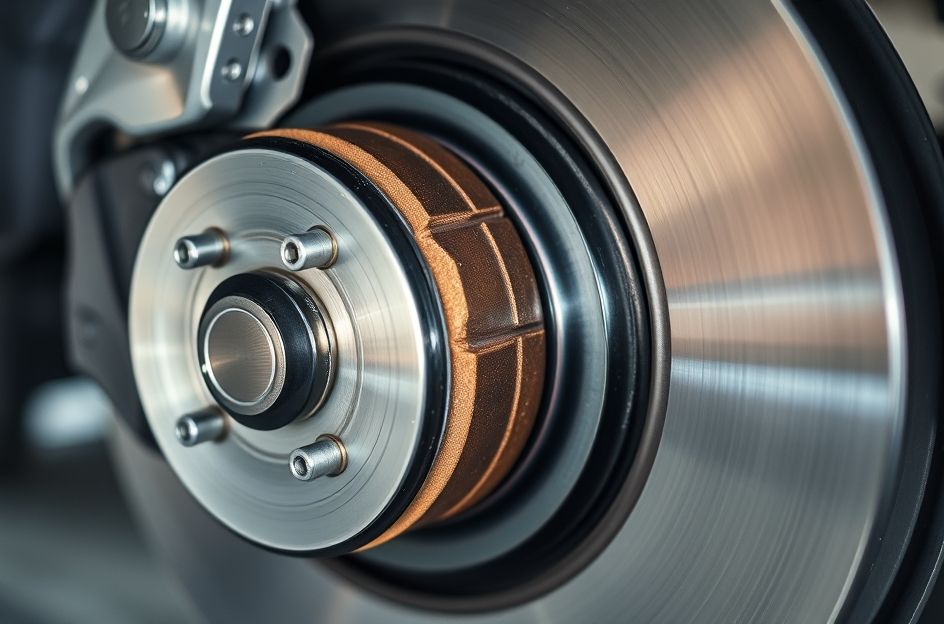
Knowing when to replace your brake pads is crucial for safe driving. Ignoring the warning signs can lead to costly repairs and dangerous situations. This article outlines common indicators of worn brake pads and provides guidance on inspection, repair options, and potential cost savings.
Several signs suggest your brakes require attention. Squealing noises when braking are a frequent indicator. A spongy brake pedal, where the pedal feels soft or requires excessive pressure, also signals a problem. Grinding sounds during braking indicate severe wear, possibly damaging the rotors. Other symptoms include the car pulling to one side when braking or a pulsating brake pedal.
If you notice any of these issues, have your car inspected immediately. Many garages offer free brake inspections to diagnose the problem. A mechanic can provide a comprehensive assessment of your brake system, including an estimate for necessary repairs and parts.
Depending on your mechanical skills, time, and budget, you have several repair options. Replacing brake pads yourself can save significantly on labor costs. Researching and comparing prices online can further reduce expenses on parts. However, if you’re not comfortable working on brakes, entrusting the repair to a qualified mechanic is recommended.
Ultimately, maintaining functional brakes is essential for your safety and the safety of others. Prompt attention to brake problems ensures a smooth and secure driving experience.