
The internet offers a wealth of information, but it’s crucial to approach automotive blogs with a discerning eye, especially when it comes to safety-critical components like brake calipers. While blogging is accessible, the varying levels of expertise among bloggers can lead to inaccurate or incomplete information, which can be dangerous when applied to vehicle maintenance.
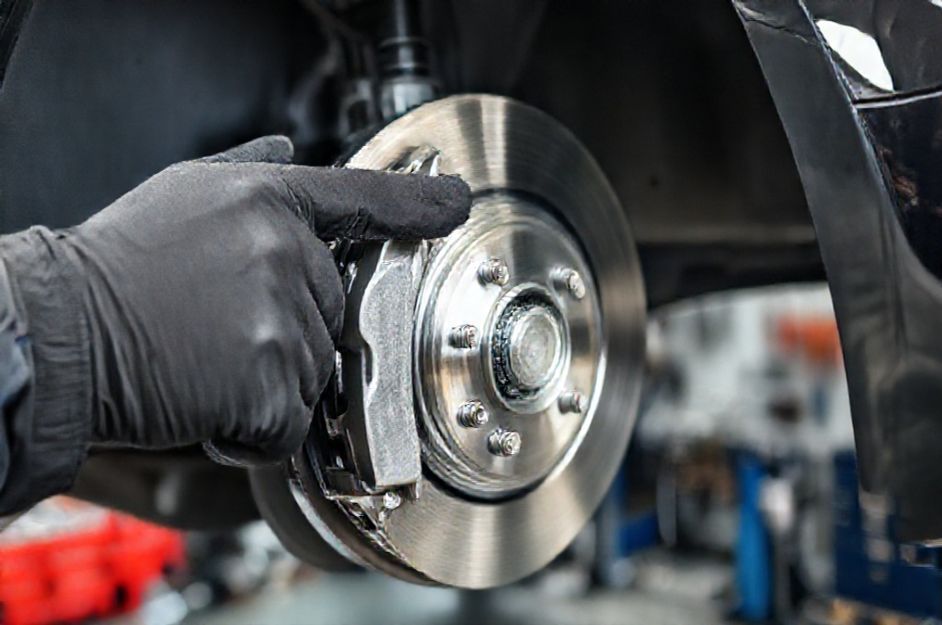
When discussing brake systems, any comprehensive brake inspection guide should include brake calipers alongside pads, rotors, and ABS components. A functional brake caliper is critical because it squeezes the brake pads against the rotor, enabling the vehicle to stop. Over time, caliper seals can degrade, potentially leading to reduced braking performance and a significant safety risk.
To ensure you’re getting reliable information, consider these factors when reading online automotive content:
1. **Author Credibility:** Is the author identified and what are their qualifications? Anonymous posts should be viewed with skepticism.
2. **Blog Management:** Is the blog managed by automotive experts? Look for signs of genuine knowledge and experience.
3. **Source Verification:** Where does the information originate? Is it based on original research, reputable sources, or simply regurgitated marketing material?
4. **Website Quality:** Is the website cluttered with excessive advertising, suggesting a focus on profit over accuracy? High-quality sites generally prioritize user experience and accurate content.
Always verify information from a single source with at least one other reputable outlet. Cross-referencing information helps identify potential inaccuracies and ensures a safer approach to vehicle maintenance and repair.