
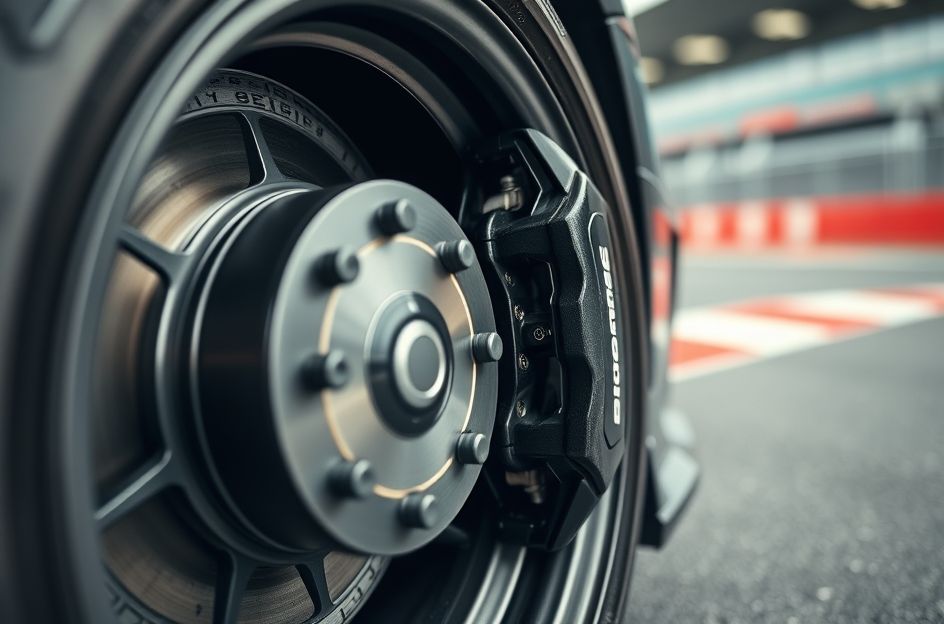
Brake calipers are essential components of your vehicle’s braking system, and selecting the right ones is crucial for safety and performance. While available at most auto supply stores, prices vary significantly depending on the vehicle type. Repair kits may be offered, but their availability is often limited, particularly for classic car models. It’s generally recommended to replace calipers proactively, rather than waiting for leaks or sticking issues to arise.
**Rear vs. Front Calipers:**
Rear calipers are typically more expensive than front calipers due to the integration of handbrake mechanisms. New rear calipers can be a significant investment. Rebuilt calipers offer a cost-effective alternative, available from various suppliers, sometimes including brake pads. However, quality can vary between manufacturers. Consider purchasing calipers and brake pads separately to select the best components from different suppliers. Worn components can cause noise and vibration, so regular inspection and maintenance are vital.
**Maximizing Performance:**
Optimal braking performance requires matching calipers with appropriate brake pad materials. Caliper design should be standardized and synchronized with overall vehicle dynamics. Careful integration of calipers and other brake system components enhances performance and durability. For instance, caliper width and piston rollback should align with the characteristics of the friction materials used in the brake pads. Proper design contributes to reduced squeaking, integrated power absorption, and extended brake pad life.
**Features and Price Considerations:**
Caliper prices often reflect their features and advancements. These can include fully-sealed slide mechanisms and corrosion-protected pad slides. Two-piece pins can reduce drag, optimizing wear life and minimizing noise. Caliper slide mechanisms with guide schemes between the pads help prevent clatter. Pad retraction springs detach the pads from the pistons, reducing residual drag. Stainless steel pads can maintain minimal pad slide in corrosive environments. Prioritize calipers tested for noise, strength, fluid displacement, seepage, and overall stamina to ensure minimal brake pounding and optimized feel. Determining the right caliper for your specific needs is essential for the brake system’s overall function.
**Calipers for Racing Applications:**
Racing calipers demand lightweight construction and efficient heat resistance under extreme temperatures. Many manufacturers apply a protective black finish to their products to combat corrosion and enhance heat dissipation. Some calipers feature high-temperature dampening materials. Dust-proof designs prevent dirt accumulation, protecting pistons and other parts from damage and corrosion, thus prolonging life and improving durability. Enhanced efficiency and durability are often achieved through specialized materials and construction. Ensure that the calipers you choose are ideally suited for your vehicle and driving needs. In totality, invest in high quality pistons, brake pads and other components to complement your calipers.