
In today’s business landscape, strategically adding an intermediary can significantly enhance efficiency, particularly when cost-effective and demand is high. Consider food delivery services that aggregate multiple restaurants, promising on-time delivery, providing customers with diverse options and reliability.
This principle extends beyond the food industry. Some energy suppliers focus solely on electricity delivery, leveraging various energy sources to optimize pricing and efficiency. The addition of this ‘middle man’ benefits all stakeholders.
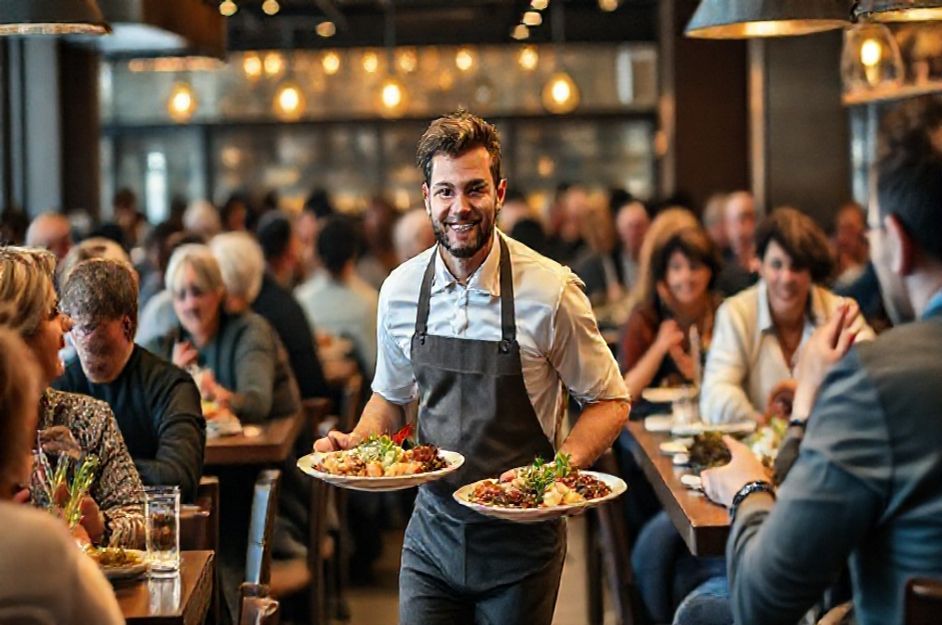
In restaurants, the food runner role exemplifies this concept. Especially in larger establishments, food runners expedite service during peak hours, transporting dishes from the kitchen to tables while offering minimal interaction. This 2-4 hour shift alleviates pressure on waitstaff.
Traditionally, waiters managed the entire order-to-delivery process. Introducing food runners streamlines this, freeing waiters to focus on customer engagement, upselling, and managing more tables. While waiters share a portion of their tips (typically 10-15%), the potential sales increase (20-30%) justifies the cost. Waiters still maintain responsibility for checking on their tables needs.
The key takeaway is that strategically incorporating a food runner improves service efficiency and profitability. Effective integration of ‘middle men’ optimizes service flow. It’s about implementing a well-designed system with the optimal labor force, not simply adding staff.
Adding an intermediary can revolutionize operations, particularly when service delivery becomes strained. Identifying and addressing these bottlenecks is crucial for sustained success.