
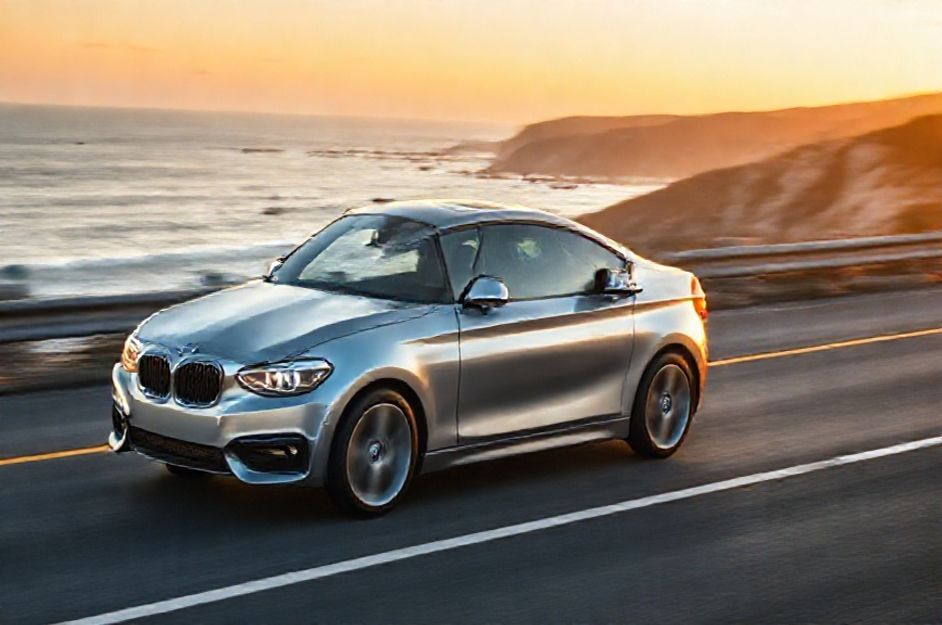
The automotive landscape has evolved, blurring the lines between small, medium, and large cars. While size definitions vary based on length, wheelbase, and interior space, BMW is preparing to introduce a truly compact vehicle to the American market: the 1 Series. This marks a significant shift, offering a smaller BMW than ever before seen on U.S. roads.
Historically, the idea of a less-than-luxurious BMW seemed unconventional. BMW acknowledges this perception and has carefully considered the introduction of the 1 Series. With a history of producing vehicles ranging from compacts upwards, BMW recognizes the U.S. market’s unique preferences and the potential for a budget-friendly bimmer. However, evolving consumer tastes create an opportunity for the 1 Series in America.
Here’s why a compact BMW makes sense:
* **Gateway to the Brand:** The 1 Series can attract new customers to BMW, introducing them to the brand with an accessible model.
* **Global Model Offering:** BMW has successfully sold compact cars like the 1 Series in Europe for years. The U.S.-bound model is expected to be a redesigned sedan, potentially featuring an Inline 6 engine and an optional turbo diesel. While priced higher than other cars in its class (around $25,000), it retains the BMW prestige.
* **Market Expansion:** While renowned for its luxury vehicles, BMW can enhance its profitability with more accessible models. The U.S. market presents a significant opportunity, and the 1 Series could capture sales that would otherwise be missed.
The 1 Series is anticipated to debut around summer 2007. Its arrival may prompt Mercedes-Benz to introduce its compact B-Series. This signals a redefinition of German luxury, potentially introducing American drivers to German engineering beyond traditional luxury vehicles, akin to Volkswagen’s approach.