
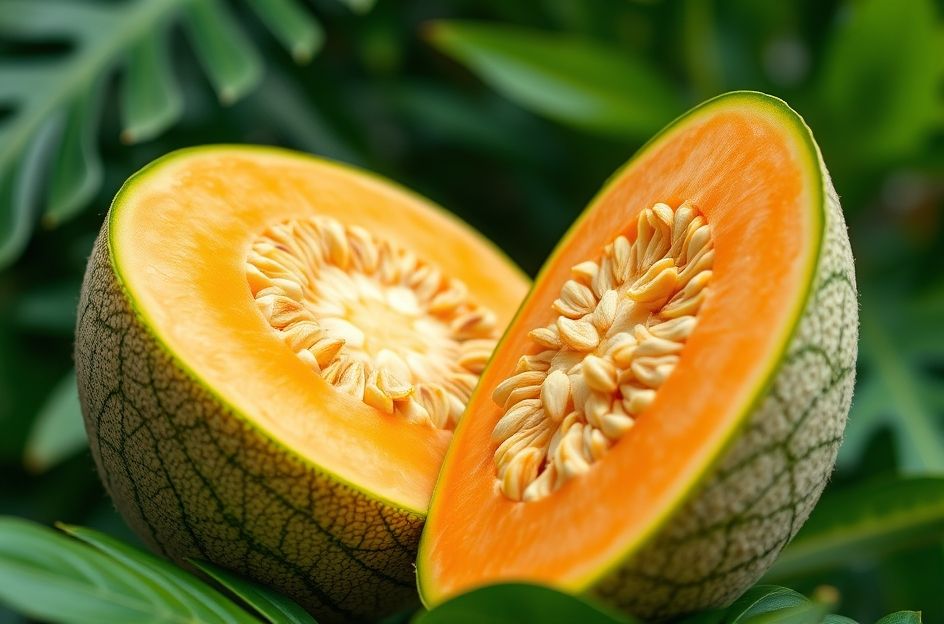
Bitter melon, scientifically known as Momordica charantia, is a tropical fruit also called karela or balsam pear. Found across East Africa, Asia, the Caribbean, and South America, it’s used both as food and medicine. This cucumber-shaped fruit has a bumpy exterior and a distinctly bitter taste.
While the seeds, leaves, and vines have historical uses, the fruit is most commonly used for medicinal purposes. In some Western cultures, the leaves and fruit are brewed into teas or beers, or used to flavor soups.
Historically, bitter melon was used in tropical regions to address various conditions, including infections, cancer, leukemia, and diabetes. While some believe it can aid in HIV treatment, current evidence is insufficient. Studies suggest the ripe fruit may possess anti-cancer properties, but substantial evidence is lacking. However, initial research indicates that bitter melon might improve blood sugar control in individuals with type 2 diabetes.
Scientific studies on animals and humans confirm that fresh, unripe bitter melon juice can lower blood sugar. Charantin (steroidal saponins), insulin-like peptides, and alkaloids are three groups of components found in bitter melon that may offer hypoglycemic effects or other potential benefits for diabetes. While the most effective component remains unclear, bitter melon preparations have demonstrated the ability to enhance glucose tolerance without raising insulin levels and to improve fasting blood glucose levels.