
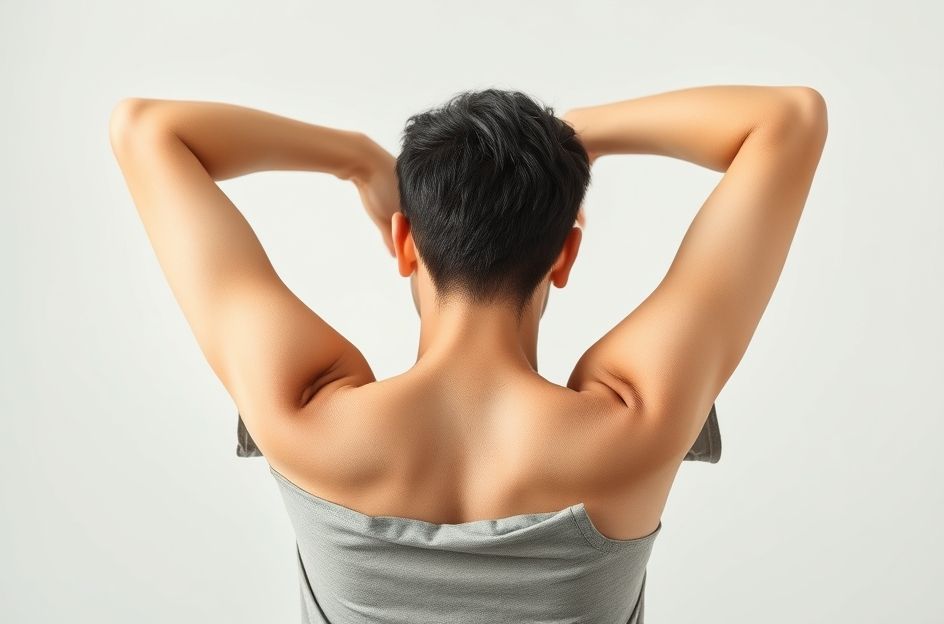
Body odor is a common concern, often stemming from the natural process of sweating. While sweat itself is odorless and crucial for regulating body temperature, the interaction between sweat and bacteria on our skin can lead to unpleasant smells. Pheromones, released by apocrine glands, also contribute to body odor when broken down by bacteria.
**Understanding How Sweat Produces Odor**
Eccrine glands, distributed throughout the body, produce a watery sweat containing small amounts of salt, sugar, and urea. This sweat is initially odorless. However, as it surfaces, it softens the epidermal keratin, which creates an environment for bacteria to thrive. These bacteria consume the keratin and sweat, resulting in odor. Areas like the armpits, which are warm, moist, and folded, provide an ideal breeding ground for these odor-causing bacteria.
Apocrine glands, primarily found in the scalp, groin, and armpits, produce a fatty sweat containing pheromones. When bacteria break down this sweat, it also results in body odor. Therefore, excess sweat and/or an overabundance of bacteria can exacerbate the problem. The key to controlling body odor lies in reducing or drying excess sweat promptly and maintaining a bacteria-free skin surface. It’s important to note that yeast infections can worsen body odor.
**Effective Strategies to Control Sweat and Odor**
Antiperspirants are a primary defense against sweat. For those experiencing excessive sweating (hyperhidrosis), consulting a doctor is advisable. They may recommend treatments like botox injections or other medical interventions. Regularly washing with antibacterial soap helps eliminate bacteria from the skin. Keeping the skin dry is crucial, and changing clothes after sweating is essential, as clothing retains sweat and bacteria even after drying. Certain foods, such as caffeinated beverages, garlic, and onions, can contribute to sweat production or odor, so moderation or avoidance may be beneficial. In summary, controlling sweat, managing bacteria, and maintaining dry skin are fundamental steps in staying fresh and addressing body odor concerns.
**Disclaimer:** This information is intended for educational purposes only and should not be considered medical advice. Always consult with a qualified healthcare professional for any health concerns or before making any decisions related to your health or treatment.