
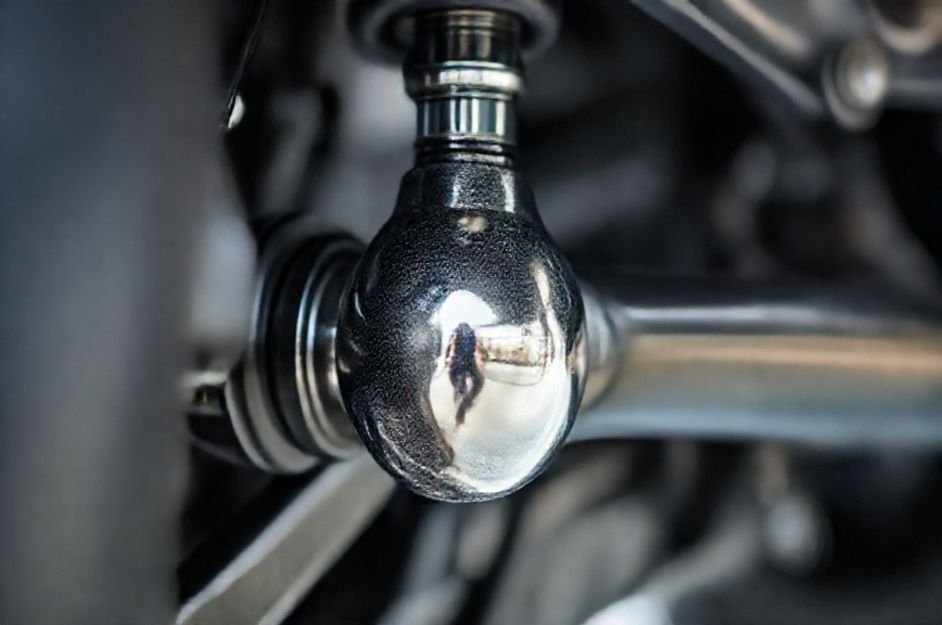
Ball joints are essential components of your vehicle’s suspension system, acting as pivotal links between the suspension and the wheels. Constructed from high-strength steel, they support the vehicle’s weight and, in some designs, contribute to wheel alignment. Let’s delve deeper into these crucial parts.
Typically found on the front end of cars, trucks, SUVs, and minivans, ball joints are housed within a protective steel casing. Due to the constant stress they endure, these joints are sealed in a boot to prevent dirt and debris from causing damage.
Two primary suspension designs incorporate ball joints. Conventional systems utilize both upper and lower ball joints, while MacPherson strut systems employ a single lower ball joint in conjunction with an upper strut bearing, eliminating the need for an upper ball joint.
Ball joint maintenance has evolved. Many modern vehicles feature permanently lubricated ball joints that require no additional greasing. These joints are sealed to prevent lubricant escape. However, replacement ball joints often include grease fittings, necessitating regular lubrication, ideally during oil changes.
During suspension inspections, it’s crucial to examine the ball joints for wear. A comprehensive wheel alignment should also be performed to ensure proper function. Neglecting worn ball joints can lead to uneven tire wear and steering instability. Addressing worn ball joints promptly is paramount for vehicle safety.
Ball joints are engineered for specific vehicle makes and models. While some models within a brand may share suspension designs, always consult your vehicle’s repair manual to identify the correct replacement ball joints. Reputable manufacturers like Moog offer ball joints compatible with various vehicles. Researching Moog ball joints online can help determine their suitability for your car.
Regular suspension inspections, including ball joint assessments, are vital for preventing costly problems and maintaining vehicle safety.