
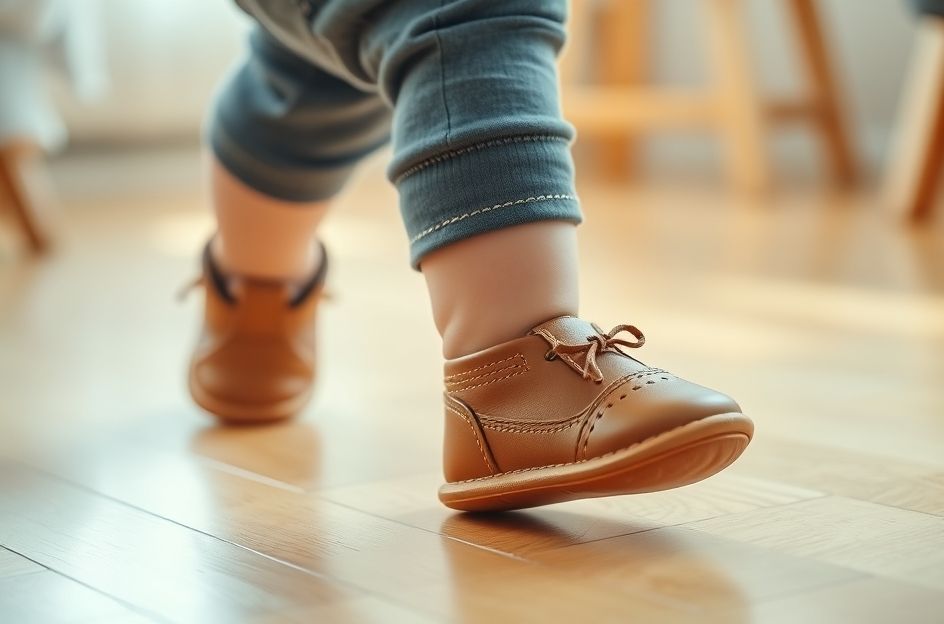
Choosing the right shoes for your baby is an important decision that impacts their foot development. While adorable miniature sneakers might catch your eye, experts recommend holding off on shoes until your baby is actively walking. Barefoot time is crucial for developing balance and strengthening those tiny toes.
Once your little one is spending more time upright, shoes become essential for protecting their feet from injuries. But what kind of shoes are best? Forget the rigid, old-fashioned styles. Pediatricians advise opting for soft, flexible shoes that allow natural foot movement. Look for non-skid soles to prevent slips, but ensure they bend easily with each step. Avoid restrictive high-tops unless they offer ample flexibility. Breathable, natural materials are ideal for keeping feet comfortable and dry.
Proper fit is paramount. Shoes should never bind or chafe. Shop when you have ample time to let your baby test the shoes by walking around. While your baby is standing, you should be able to slip your pinkie finger or a pencil comfortably between their heel and the back of the shoe. If you choose lace-up shoes, ensure the laces are long enough to tie easily. Velcro closures offer convenience and encourage independence, while laces may stay on better.
For a successful shoe shopping trip, go after a nap when your baby is well-rested. Also, remember that baby’s feet, like adults’, tend to swell slightly in the afternoon, so shop later in the day for the best fit. As your baby grows, check the shoe fit monthly. Expect to buy new shoes every three to six months due to growth spurts. Replace shoes sooner if they show signs of wear, such as cracked soles or holes.
And if you’re dreaming of Baby’s First Nikes? Go ahead and explore the options! Just remember that comfort, flexibility, and proper fit are the most important factors for healthy foot development.