
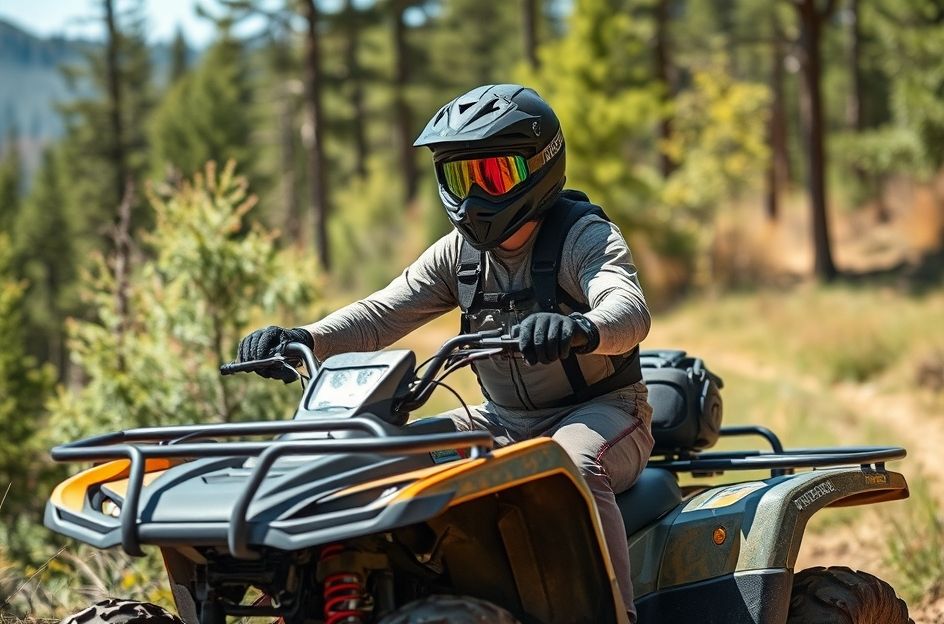
All-terrain vehicle (ATV) riding can be a thrilling outdoor activity, but it’s crucial to prioritize safety. Accidents involving ATVs can lead to serious injuries or fatalities, emphasizing the need for responsible operation. This is particularly important for younger riders who may be more prone to risky behavior. Remember, ATVs can be as dangerous as any motor vehicle, so always adhere to proper safety guidelines. While ATVs offer a fun way to explore the outdoors, neglecting safety can have severe consequences. Here are ten essential safety tips for ATV riding:
1. Age Restrictions: It is generally recommended that only individuals above a certain age (e.g., 16) should operate an ATV. Younger children are at a higher risk of injury due to their size and lack of experience. Even when teenagers are permitted to ride, adult supervision is essential.
2. Protective Gear: Always wear appropriate protective gear, including a helmet, eye protection, gloves, and boots. Helmets are crucial for preventing head injuries, which are a leading cause of serious accidents. Eye protection shields against debris, while gloves and boots protect your hands and feet.
3. Safety Course: Enroll in an ATV safety course. These courses provide comprehensive instruction on proper ATV operation, handling, and safe riding practices. They are beneficial for riders of all ages and experience levels.
4. Single Rider: ATVs are designed for single riders only. Carrying a passenger can compromise stability and control, increasing the risk of accidents. The added weight can also make the ATV more prone to rollovers.
5. Appropriate Terrain: Choose suitable riding environments. Avoid paved roads and streets, as ATVs are not designed for these surfaces. Steer clear of hazardous terrain that could lead to rollovers or loss of control.
6. Speed Limits: Adhere to safe speed limits. Excessive speed reduces control and stability, making accidents more likely.
7. Avoid Impairment: Never operate an ATV under the influence of alcohol, drugs, or medications that could impair your judgment, reaction time, and coordination.
8. Communication: Carry a communication device, such as a cell phone or walkie-talkie, to call for help in case of an emergency. Inform someone of your riding plans, including your route and expected return time.
9. No Stunts: Refrain from performing stunts or tricks. Improper operation is a major cause of ATV accidents. Avoid reckless behavior and interactions with other riders or individuals.
10. Use Common Sense: Exercise sound judgment and common sense at all times. Assess risks, make informed decisions, and prioritize your safety and the safety of others.