
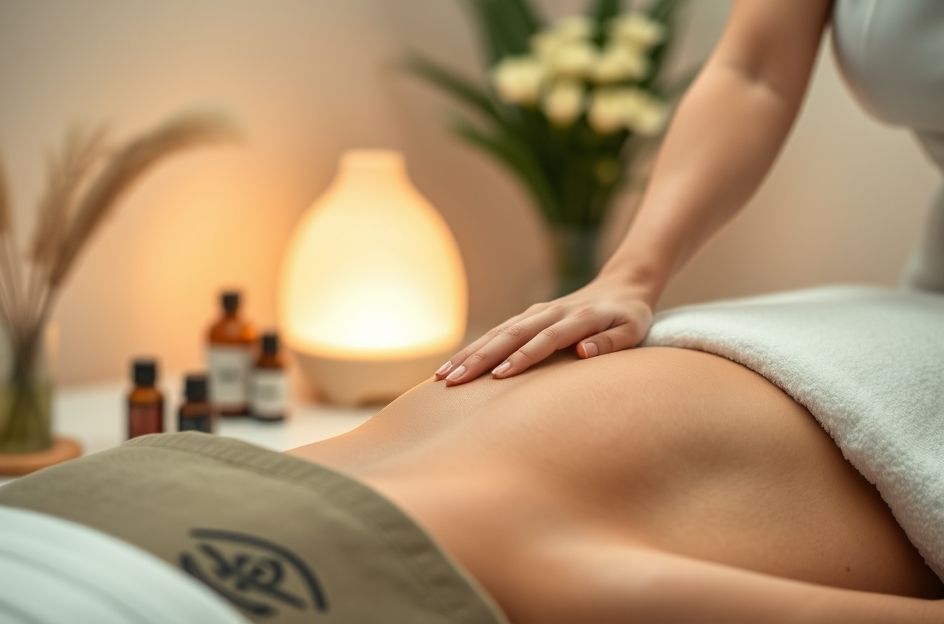
Aromatherapy offers a path to enhanced psychological and physical well-being, utilizing the natural power of volatile plant oils, commonly known as essential oils. These oils are administered through various methods, including massage and aromatherapy diffusers.
Essential oils deliver benefits as their vapors are inhaled, entering the bloodstream via the lungs. This process not only provides physical relief but also stimulates brain receptors, promoting psychological wellness. The unique aromas trigger responses that contribute to an overall sense of well-being.
While scientific validation of aromatherapy’s benefits can be challenging, its widespread popularity speaks volumes. Millions consistently invest in aromatherapy products, suggesting a tangible improvement in their quality of life.
Unlike synthetic perfumes, essential oils are purely natural, free from artificial chemicals. Many users employ specialized diffusers to gently heat and vaporize the oils, releasing their therapeutic scents.
However, caution is essential. Always seek guidance from a qualified aromatherapist, as concentrated oils can be harmful, particularly when applied directly to the skin. Certain oils can trigger sensitization or allergic reactions. Sensitization implies a minimal initial reaction, followed by a severe adverse response upon subsequent exposure.
In aromatherapy massage, essential oils are carefully diluted with carrier oils before being massaged into the skin. This dilution is crucial for safe application, preventing adverse reactions. The diluted oils are then absorbed through the skin into the bloodstream, where they can exert their therapeutic effects.
Often, essential oils are expertly blended to create synergistic effects, amplifying their individual benefits.