
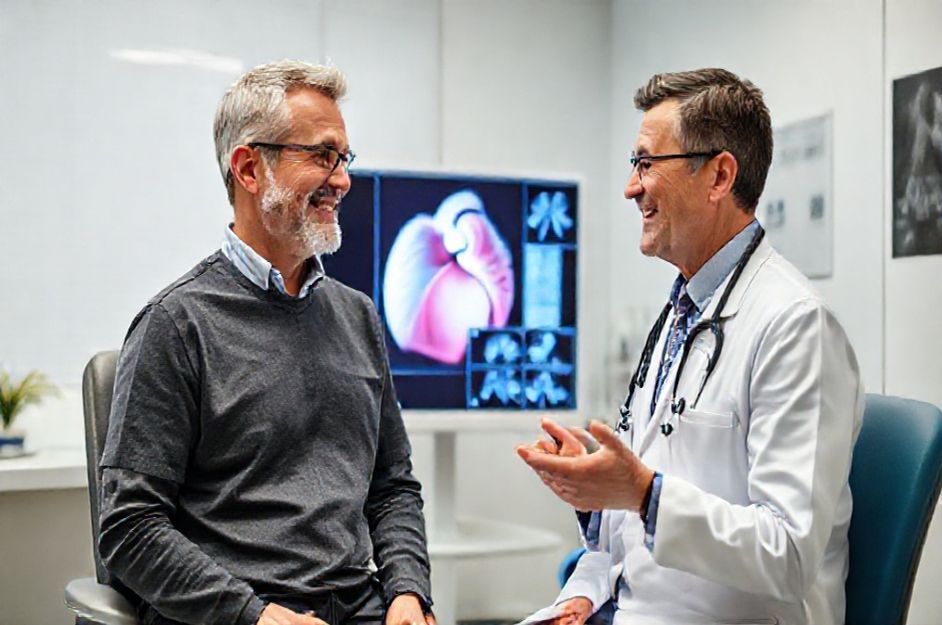
Following initial heart health concerns, an angiogram was scheduled to assess the condition of my heart and arteries. Despite initial anxieties, I was reassured that this outpatient procedure, involving a catheter inserted into an artery to visualize the heart, was relatively safe and painless.
Four days later, I arrived at the cardiology center, prepped with an IV, ready for the procedure. Sedatives eased any discomfort, allowing me to respond to direct communication from the nurses and technicians throughout the process.
A significant advantage of an angiogram is the immediate possibility of intervention. Should blockages be detected, cardiologists can often insert stents to maintain adequate blood flow—a less invasive alternative to open-heart surgery.
After about an hour, the cardiologist shared the results: calcium deposits were present on the artery walls, confirming previous test findings. However, the arteries themselves were large and smooth, suggesting a potential, rather than immediate, problem.
Given my family history and larger build, the size of my arteries wasn’t surprising. I believe that consistent vitamin and mineral supplementation may have contributed to preventing more severe heart disease. Nevertheless, the cardiologist remained focused on long-term risk management due to the elevated calcium scores.
Moving forward, lifestyle adjustments were crucial. I transitioned from a largely sedentary lifestyle to daily exercise, cycling nearly seven miles each day. On the advice of my doctor, I now take a daily adult aspirin and have significantly altered my eating habits. While challenging, I am more aware of my dietary choices.
Despite a good cholesterol level of 90, the cardiologist prescribed statins to further reduce bad cholesterol. I am optimistic that statins will become a cornerstone of preventative heart health.
In summary, my plan includes regular exercise, a daily aspirin, statins, and continued vitamin supplementation. I hope to maintain good health and avoid the debilitating effects of severe heart disease.