
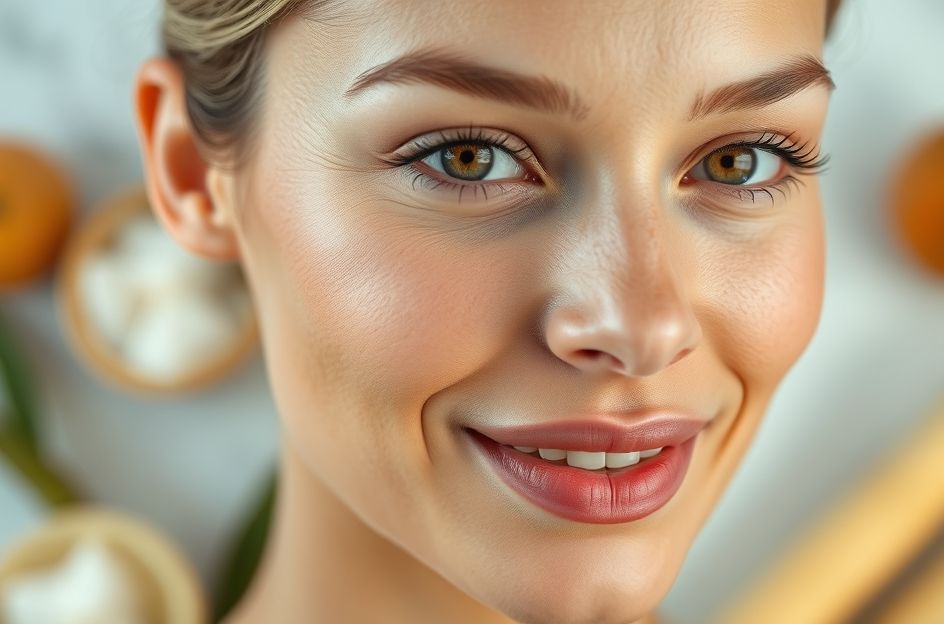
Alpha hydroxy acids (AHAs) have become increasingly popular in anti-aging and general skincare. Touted for their ability to smooth fine lines, improve skin texture and tone, and unclog pores, AHAs are a staple in many beauty routines. But what exactly are they, and how do they work?
AHAs aren’t new to the skincare scene. Historical accounts suggest Cleopatra used milk baths rich in lactic acid to soften her skin, while Polynesians utilized sugarcane and fruit juices for similar benefits. The key ingredient in these natural remedies? AHAs.
**Identifying AHAs in Cosmetics**
To determine if a product contains AHAs, check the ingredient list. Common AHA ingredients include:
* Glycolic acid
* Lactic acid
* Malic acid
* Citric acid
* Glycolic acid + ammonium glycolate
* Alpha-hydroxyethanoic acid + ammonium alpha-hydroxyethanoate
* Alpha-hydroxyoctanoic acid
* Alpha-hydroxycaprylic acid
* Hydroxycaprylic acid
* Mixed fruit acid
* Tri-alpha hydroxy fruit acids
* Triple fruit acid
* Sugar cane extract
* Alpha hydroxy and botanical complex
* L-alpha hydroxy acid glycomer in cross linked fatty acids alpha nutrium (three AHAs)
**How AHAs Work**
As skin ages, the intercellular fluid that binds skin cells together becomes denser, leading to a buildup of dead skin cells and reduced natural exfoliation. AHAs work by loosening this intercellular fluid, allowing the top layer of dead skin to shed more easily. This exfoliation process reveals fresher, younger-looking skin.
The degree of exfoliation depends on several factors, including the type and concentration of AHA, its pH (acidity), and other ingredients in the product. Most over-the-counter skincare products contain AHA concentrations of up to 10 percent.
**Potential Side Effects**
While AHAs offer numerous benefits, they can also cause side effects such as burns, itching, pain, and, in rare cases, scarring. The acidity (pH) of the product plays a significant role in irritation. Experts generally recommend using products with AHA concentrations of 10% or less and a pH of 3.5 or higher.
If you experience any adverse effects, discontinue use immediately. It’s also crucial to avoid sunlight or use adequate sun protection when using AHA products.
**Best Practices for Using AHA Products**
The best approach is to introduce AHA products gradually and observe how your skin responds. Always avoid sun exposure and monitor for any side effects. For personalized advice, consult a dermatologist before incorporating AHA products into your skincare routine.
**Disclaimer:** This article is for informational purposes only and does not constitute medical advice. Consult with a qualified healthcare professional for any health concerns or before making any decisions related to your health or treatment.