
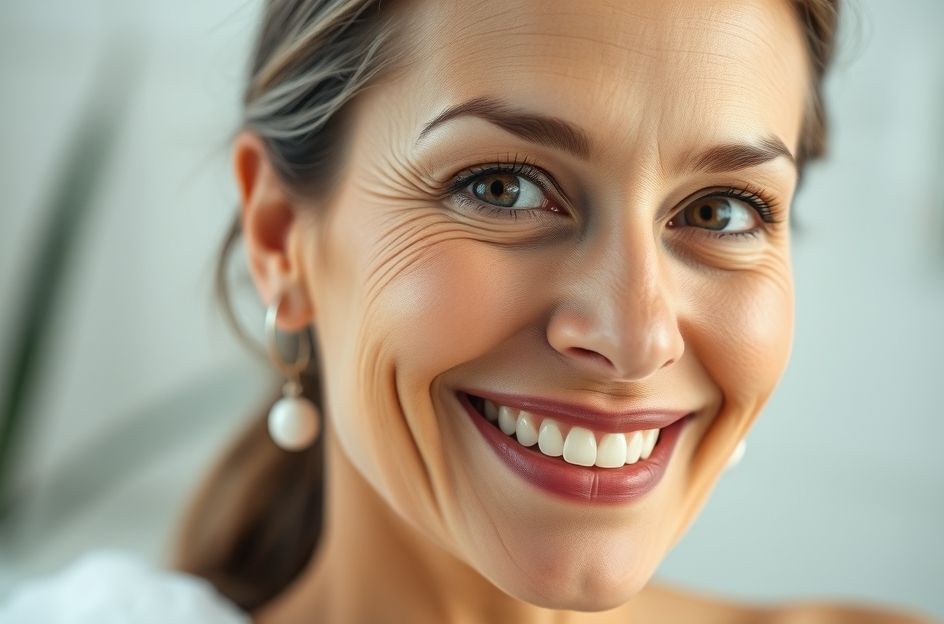
Experiencing acne in your 30s or 40s can be frustrating. While many associate acne with adolescence, adult-onset acne is increasingly common. A report in the Journal of the American Academy of Dermatology even suggests insurance companies should cover acne treatments like tretinoin for patients up to age 40, as many currently cut off coverage at 25.
Navigating acne and wrinkles simultaneously can feel like a cosmetic Catch-22. Harsh acne treatments can exacerbate wrinkles, while rich moisturizers may trigger breakouts. However, a balanced approach addresses both concerns effectively.
Start by understanding your acne triggers. Adult acne often reflects underlying issues like stress, diet, or hormonal imbalances. Consider these factors:
* **Gut Health:** A significant portion of your immune system resides in your gut. If you’re not regular, waste can eliminate through the skin, leading to acne. Prioritize fiber-rich foods and adequate hydration.
* **Stress Levels:** Stress weakens the immune system. Practice relaxation techniques like deep breathing, meditation, or spending time in nature.
* **Diet:** Incorporate zinc, essential fatty acids, and vitamin A through leafy greens, fruits, and olive oil.
* **Unresolved Issues:** Address personal conflicts to reduce stress and tension.
* **Exercise:** Regular physical activity reduces stress, improves circulation, and promotes regularity.
* **Pillowcase Hygiene:** Change your pillowcase frequently to prevent oil and bacteria buildup.
* **Life Changes:** Major transitions can trigger emotional stress. Journaling or visualization can help manage these feelings.
* **Hormonal Imbalances:** If you experience excessive facial hair or irregular periods alongside acne, consult your doctor. Polycystic ovary syndrome (PCOS) is a common endocrine disorder linked to these symptoms.
Once acne is managed, focus on wrinkles. Improving your overall health often reduces the appearance of wrinkles naturally.
Regarding anti-aging creams, understand their composition. Most contain oil, preservatives, fragrance, color, and an active ingredient. While the oil is essential for moisturizing, many added ingredients are unnecessary and can even be harmful. Researchers warn against unrealistic claims made by cosmetic companies regarding anti-aging products.
Choose the right oils. Certain essential oils like bergamot, lavender, and tea tree possess antibacterial properties that combat acne. Others, such as geranium and clary sage, regulate oil production. Dilute these oils with carrier oils like jojoba or camellia for optimal results.
Ultimately, true beauty reflects inner health. Focus on nourishing your body and mind with positive thoughts and healthy habits. Here are actionable steps:
* **Cultivate Positive Thinking:** Replace negative thoughts with empowering ones.
* **Nourish Your Body:** Eat a diet rich in fruits, vegetables, and healthy fats.
* **Cleanse Gently:** Use a gentle cleanser daily.
* **Steam Your Face:** Steam your face for 5-15 minutes to remove buildup and stimulate circulation.
* **Exfoliate Regularly:** Exfoliate to remove dead skin cells.
* **Moisturize Naturally:** Use natural oils to hydrate your skin.
* **Massage Your Face:** Massage your face during oil application.
* **Improve Circulation:** Lie on an incline bench to increase blood flow to your face.
* **Protect from the Sun:** Wear a sunhat.
* **Consider a Gentle Peel:** Use a light skin peel monthly.
By prioritizing holistic health and addressing the root causes of acne, you can achieve clear, radiant skin at any age. Remember, beauty is an inside-out job.