
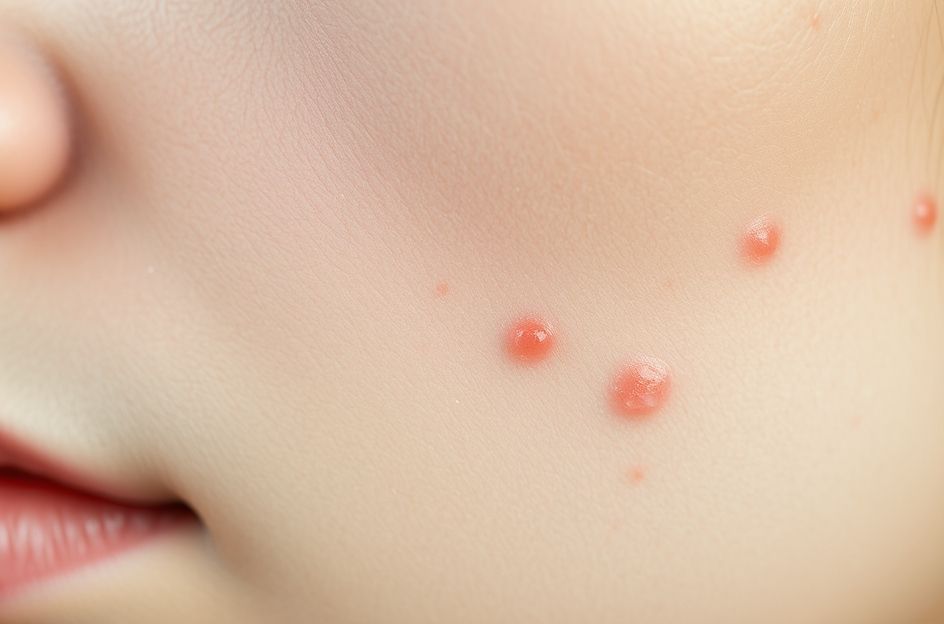
While the precise origin of acne remains elusive, medical professionals generally attribute it to a combination of contributing elements. A primary factor is the surge in androgen hormones during puberty. These hormones can trigger the sebaceous glands to enlarge and become overactive, particularly in individuals prone to acne. This hormonal shift, common in both males and females during puberty, leads to increased sebum (oil) production. The excess oil combines with dead skin cells and bacteria on the skin’s surface, obstructing pores. This blockage creates an environment where bacteria thrive, resulting in inflammation, spots, and pimples.
Genetic predisposition is also believed to play a role in acne development. Individuals with a family history of acne, especially parents who experienced it, are more likely to develop the condition themselves.
Stress, while not a direct cause of acne, can worsen existing cases. When the body experiences stress, it releases hormones such as cortisol, which can exacerbate acne symptoms. Certain medications, drugs, steroids, heavy or oily makeup, and overly aggressive skin cleansing routines can also contribute to acne breakouts.
Contrary to popular belief, greasy foods and poor hygiene are not direct causes of acne. Additionally, acne is not a contagious condition.